
Ground Leveling
Explains why uneven ground causes structural stress, anchoring failure, and improper load distribution.
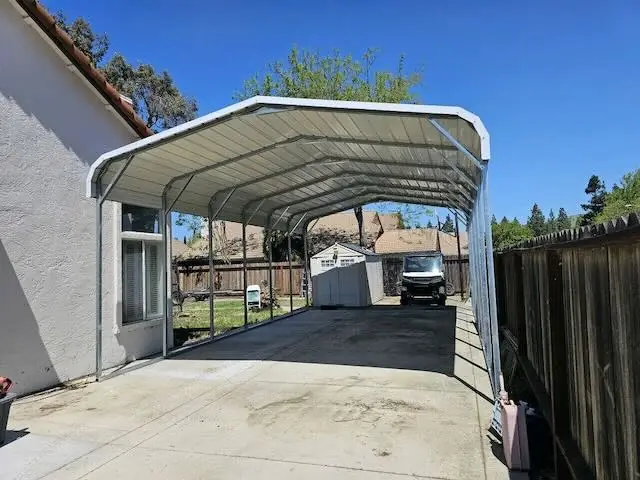
Why Your Site Needs to be Level (Within 3 Inches)
We frequently receive calls from customers asking if we can install on a slope. While our buildings are strong, they are designed as rigid frames. Installing on a non-level site creates significant problems.
The Consequences of Unlevel Ground
- Frame Deflection: The building will "twist," causing doors not to close and panels not to align.
- Anchoring Failure: If the base rail isn't flush with the ground, the anchors are exposed and weak.
- Warranty Void: Most manufacturers will not honor a structural warranty if the site exceeds a 3-inch variance.
How to Prepare
- Clear the Area: The installation site must be completely free of debris, high brush, trash, old structures, and low-hanging branches.
- Level the Ground: Ensure the site is level within 3 inches. We recommend 3/4" minus crushed gravel or a poured concrete slab.
- Compaction: If using dirt, ensure it is compacted to prevent the building from sinking over time.
Site Tip: If your site is out of level by more than 3 inches, we may have to "cut" legs on-site (if possible) or charge a return fee if the structure cannot be safely completed.

Michael Ruiz
Founder & Steel Structures Expert Northern California
Michael Ruiz started Norcal Carports to help customers compare steel-building options, prepare accurate order details, and coordinate delivery and installation with the manufacturer.
Buyer Path
What to Compare Next
This keeps the path moving from research into product fit, local requirements, and quote readiness.
Permit
Permit Requirements
Check how local approval can change structure size, placement, foundation, and drawings.
Engineering
Plans & Engineering Calculations
Review when site-specific calculations may be needed for wind, snow, or larger buildings.
Example
32 x 20 x 10 Wide Span Carport
Compare a larger concrete-anchor example where surface planning matters.
Install
Delivery & Installation
Make sure the site is accessible, level, cleared, and ready for the crew.
Expert Engineering Insight
"When a project or local jurisdiction requires engineering, the ordered configuration can be reviewed for the applicable wind, snow, anchoring, and site criteria before manufacturing."
Other Permits & Property Requirements Resources
Learn when a carport permit may be required in California. Review setbacks, site preparation, local approval factors, and next steps.
Shows how to verify fit in tight spaces including roof overhangs, fences, and clearance conflicts before ordering.
Quote Readiness
Match the Quote to the Surface
Use this guide to narrow the project details, then send the details that let us quote the real site instead of a generic package.