
Carport Snow Load Requirements for California Properties
Learn how snow load, elevation, roof style, bracing, and engineering affect metal carports in Northern California.
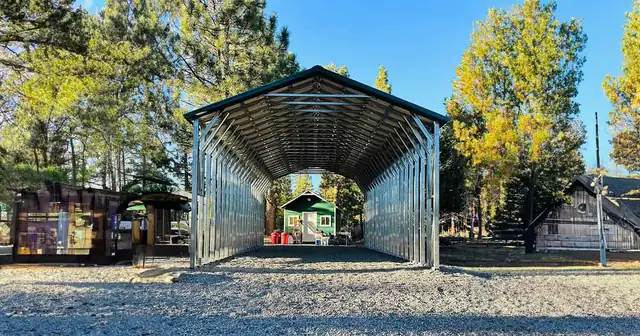
California Snow Load Requirements for Metal Carports & Garages
California’s diverse climate—ranging from sunny beaches to the snowy peaks of the Sierra Nevada—demands careful planning when it comes to building safe, durable structures. If you live in a snow-prone area, understanding and meeting snow load requirements for metal carports and garages isn’t just smart—it’s essential for safety, longevity, and compliance with local permit requirements.
Pro Tip: The right snow load rating can mean the difference between a structure that lasts decades and one that fails in the first heavy winter.
Navigating California Building Codes for Snow Loads
The California Building Standards Code (Title 24) sets the framework for all structural load requirements in the state. Chapter 16 of the California Building Code (CBC) focuses on environmental loads, including snow, and aligns with ASCE 7.
- Ground Snow Load (Pg): The anticipated snow weight per square foot on the ground.
- Roof Snow Load (Pf): The actual design load the roof must support, which takes into account slope, wind exposure, and thermal factors.
- Site-Specific Engineering: Some mountainous regions require site-specific engineering tied to foundation requirements to handle extreme weight.
The Impact of Location and Elevation
Elevation is often the primary driver of snow load requirements. As you climb in altitude, the weight of the design load increases exponentially.
- Siskiyou County: 40–60 psf depending on elevation.
- Truckee & Tahoe Area: Often exceeds 70 psf, with some zones reaching over 100 psf.
- Mono County: Up to 220 psf in specific alpine zones.
- Los Angeles County (High Desert/Mountains): 0–80 psf depending on elevation.
Always verify requirements with your local building department before selecting anchoring systems.
Snow Accumulation & Structural Concerns
It's not just about the depth of the snow, but the density. Water content changes the weight significantly.
- Light/New Snow: 5–20 psf
- Packed/Old Snow: 20–40 psf
- Snow + Ice Blend: 40–57 psf
- Solid Ice: ~57 psf
Uneven loading (drifting) transfers stress into anchors and base systems, making level ground absolutely critical for structural integrity.
Common Snow Load Ratings in California
To meet these loads, we engineering structures with specific features:
- Roof design: A-frame vertical roofs are the industry standard for snow zones as they allow snow to slide off effectively.
- Steel gauge: 12-gauge galvanized steel is commonly specified in snow zones because it provides higher tensile strength than 14-gauge framing.
- Post spacing: Reducing the distance between vertical supports (4-foot or 5-foot centers) distributes the weight more evenly.
- Additional Bracing: Peak braces and snow braces are added to every leg to prevent frame deflection.
All systems must align with your foundation design.
For high-exposure sites, compare vertical roof carport systems for runoff and debris shedding, then review site-specific engineering calculations when the city, county, HOA, or inspector requests documentation.
The Cost of Snow Load Compliance
It is important for customers to understand that high snow load requirements significantly increase the price of a metal building. A building rated for 30 PSF is engineered differently than one rated for 100 PSF.
The following factors drive the price increases in snow-prone regions:
- Increased Material Volume: To support heavy snow, we must use more steel. This often means switching from 14-gauge to 12-gauge framing and adding more trusses/bows.
- Closer Bow Spacing: Standard buildings often have 5-foot spacing between frames. High snow loads frequently require 4-foot or even 2.5-foot centers, nearly doubling the amount of steel used in the frame.
- Heavy Bracing: Additional structural braces are required on every leg and peak to prevent the building from collapsing under "dead weight."
- Specialized Engineering: Site-specific stamped plans and calculations, required by many mountain counties, are an additional professional service fee.
- Heavier Anchoring: To prevent uplift and shifting under load, more robust anchoring systems (concrete footings or more mobile home anchors) are often required.
Budget Tip: When requesting a quote for a property in the Sierra Nevada or other high-elevation areas, be prepared for a higher base price than what you might see for a valley-based installation.
Selecting the Right Carport or Garage
- Check Local Codes: Contact your county to get the exact ground snow load for your address.
- Review Snowfall Data: Look at historical peaks for your specific area.
- Choose Engineered Structures: Ensure the dealer provides stamped engineering for your load rating.
- Match Anchor System: Ensure your anchor types are rated for the uplift and lateral load of a snow-heavy building.
- Ensure Level Surface: Concrete or level ground prevents structural twisting.
Related Engineering Resources
If you are comparing snow-aware structures, review how vertical roof systems and enclosed layouts affect the final design. A compact 12 x 20 x 10 vertical roof garage shows how enclosure, roof style, and wind requirements can come together on a smaller footprint. For taller recreational vehicles, compare the 16 x 40 x 12 vertical RV carport, 18 x 38 x 12 vertical RV carport, and 18 x 40 x 14 vertical RV carport as starting points for clearance and engineering conversations.
Safe Snow Removal Practices
Even a high-rated structure should be monitored during record-breaking winters.
- Use a Roof Rake: Always clear from ground level; never climb on a snow-covered roof.
- Clear Evenly: Remove snow from both sides to avoid creating an "unbalanced load" which can twist the frame.
- Remove Heavy Drifts First: Focus on areas where snow has piled against walls or over hangs.
- Leave a Thin Layer: Avoid scraping the metal panels directly with metal tools to protect the finish.
Conclusion: The Integrated Engineering Approach
Proper snow load compliance is not a single-feature solution. It requires a coordinated effort between structural engineering, anchoring systems, foundation design, and site preparation.
If your ground isn't level, your anchors won't hold correctly. If your anchors aren't right, your foundation won't secure the load. If your foundation isn't built for the PSf (pounds per square foot), the ground won't support the building. At Norcal Carports, we look at the entire lifecycle of the building to ensure it stands strong through every winter.

Michael Ruiz
Founder & Steel Structures Expert Northern California
Michael Ruiz started Norcal Carports to help customers compare steel-building options, prepare accurate order details, and coordinate delivery and installation with the manufacturer.
Buyer Path
What to Compare Next
This keeps the path moving from research into product fit, local requirements, and quote readiness.
Product Fit
Vertical Roof Systems
Compare why vertical roof layouts shed snow, rain, and debris better on high-exposure sites.
Engineering
Plans & Engineering Calculations
Review how stamped plans and site-specific calculations support snow-load and permit approval.
Example
18 x 40 x 14 Vertical RV Carport
Use a tall vertical RV cover as a clearance and snow-aware planning reference.
Local
Shingletown Service Area
See how high-elevation local planning changes snow, roof, anchoring, and permit conversations.
Expert Engineering Insight
"When a project or local jurisdiction requires engineering, the ordered configuration can be reviewed for the applicable wind, snow, anchoring, and site criteria before manufacturing."
Other Snow Load & Structural Engineering Resources
Quote Readiness
Price the Snow-Ready Version
Use this guide to narrow the project details, then send the details that let us quote the real site instead of a generic package.