

Metal Carports in Northern California
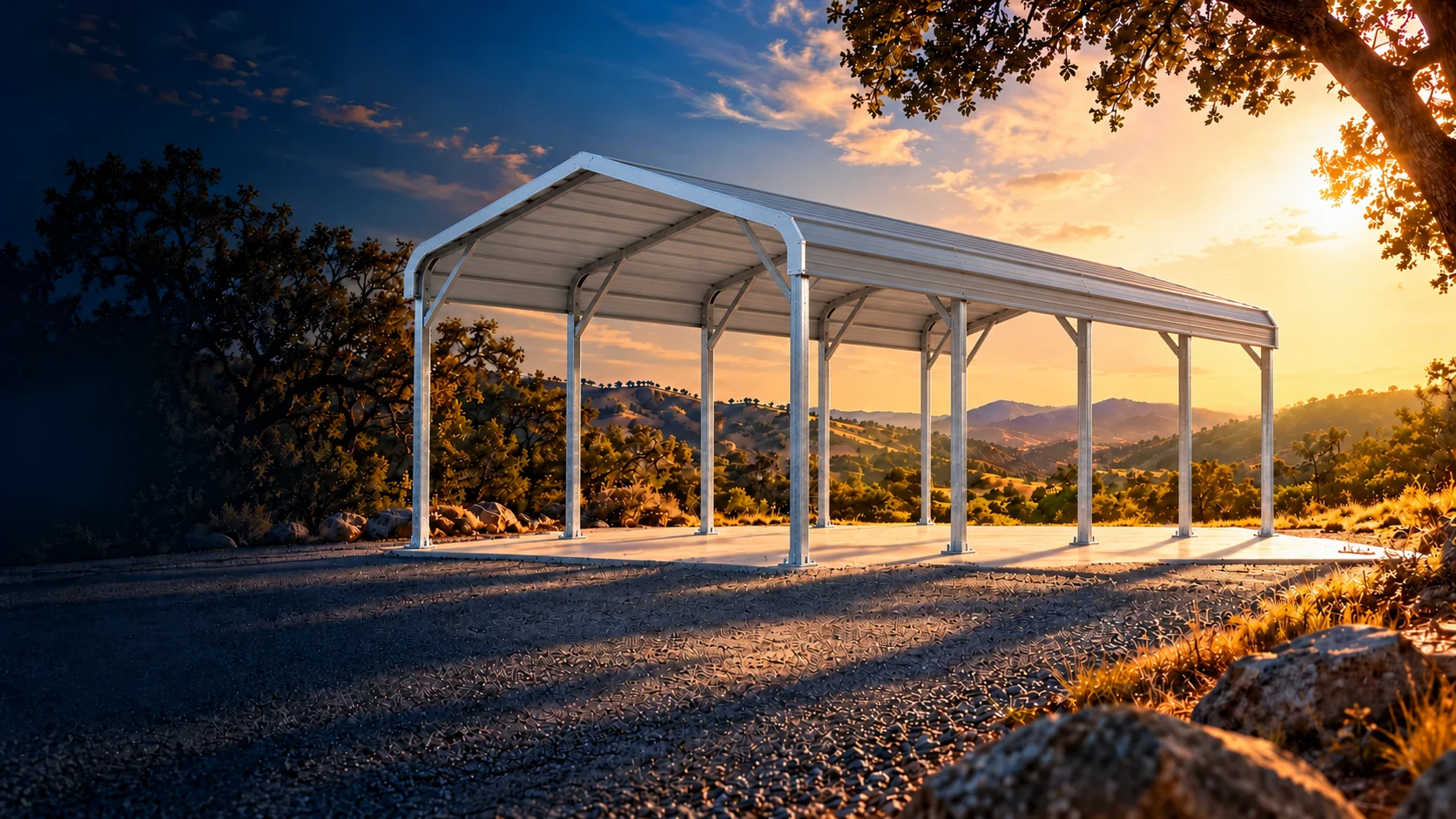
Custom steel carports engineered for site-specific wind exposure, foundation conditions, and regional snow load requirements. Designed for long-term structural integrity and installed with disciplined anchoring practices.
Get EstimateChoose the Right Metal Structure
Select a system based on clearance requirements, load handling, and how your structure manages water, snow, and exposure.
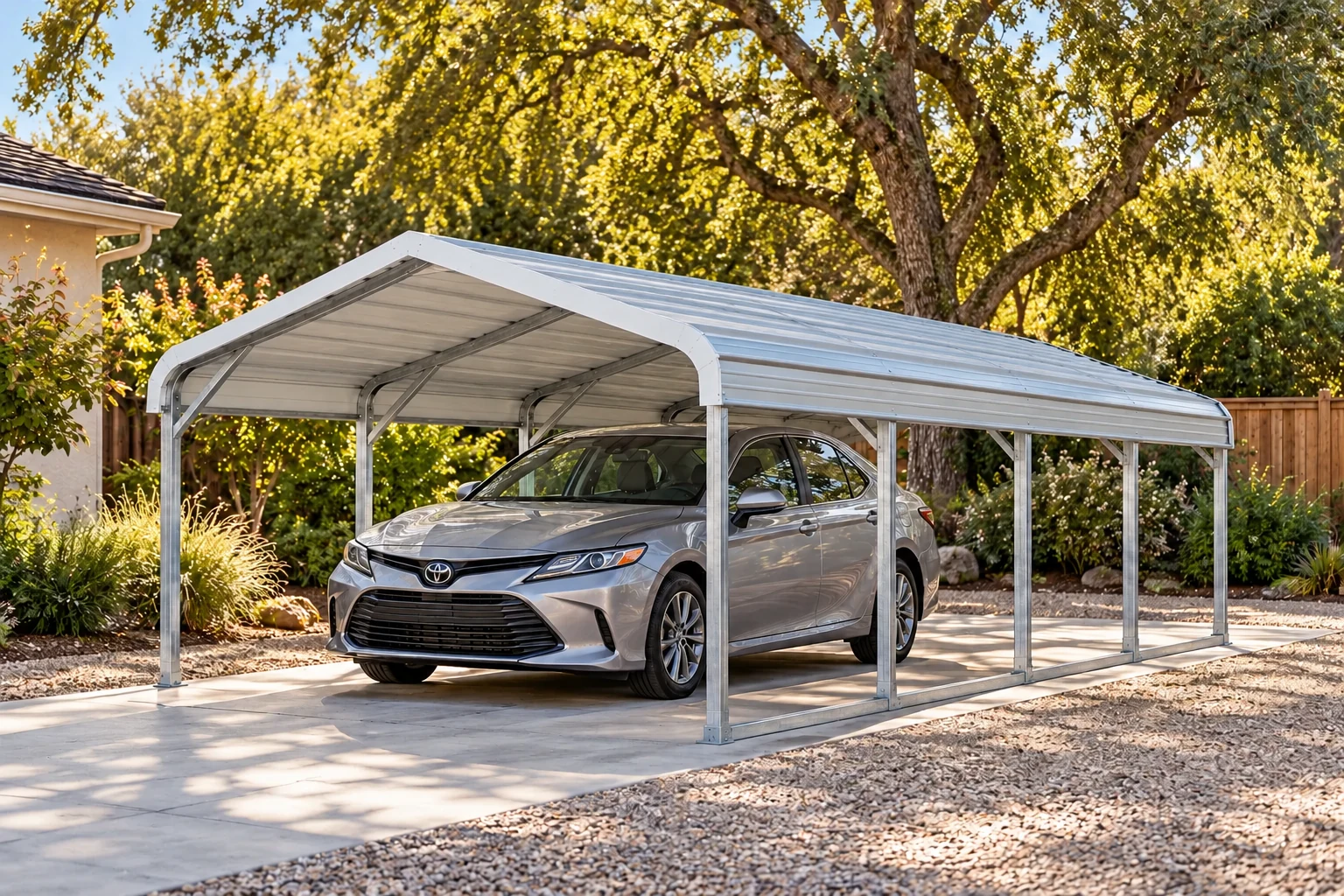
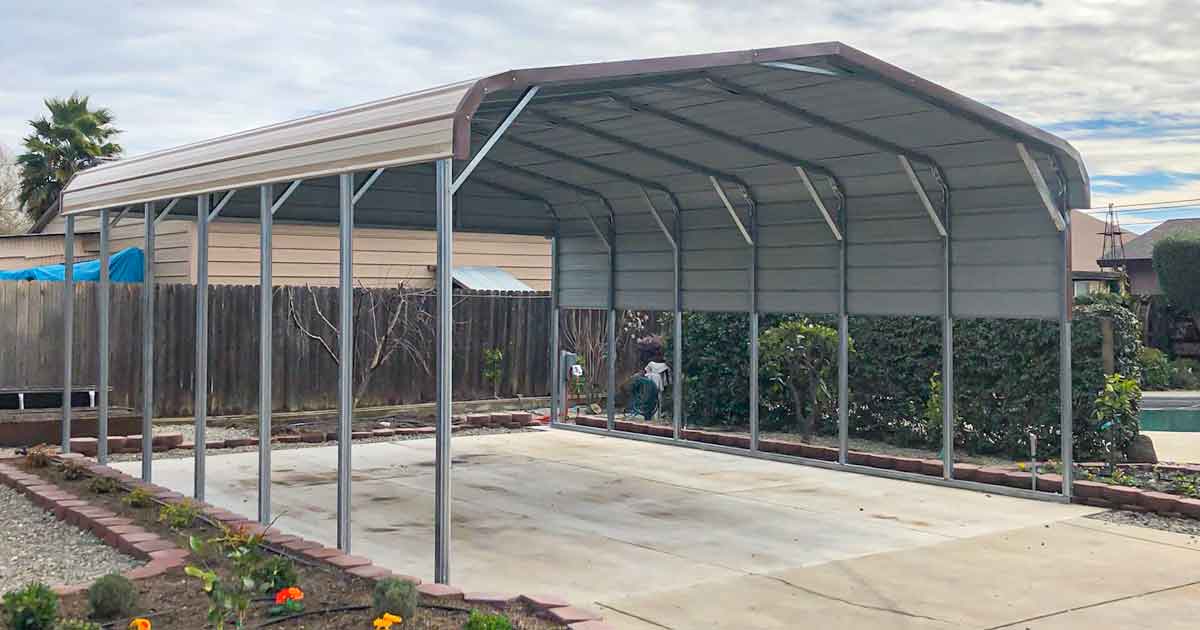
Vertical A-Frame Carports
Vertical panels shed water and snow instead of trapping load at seams.
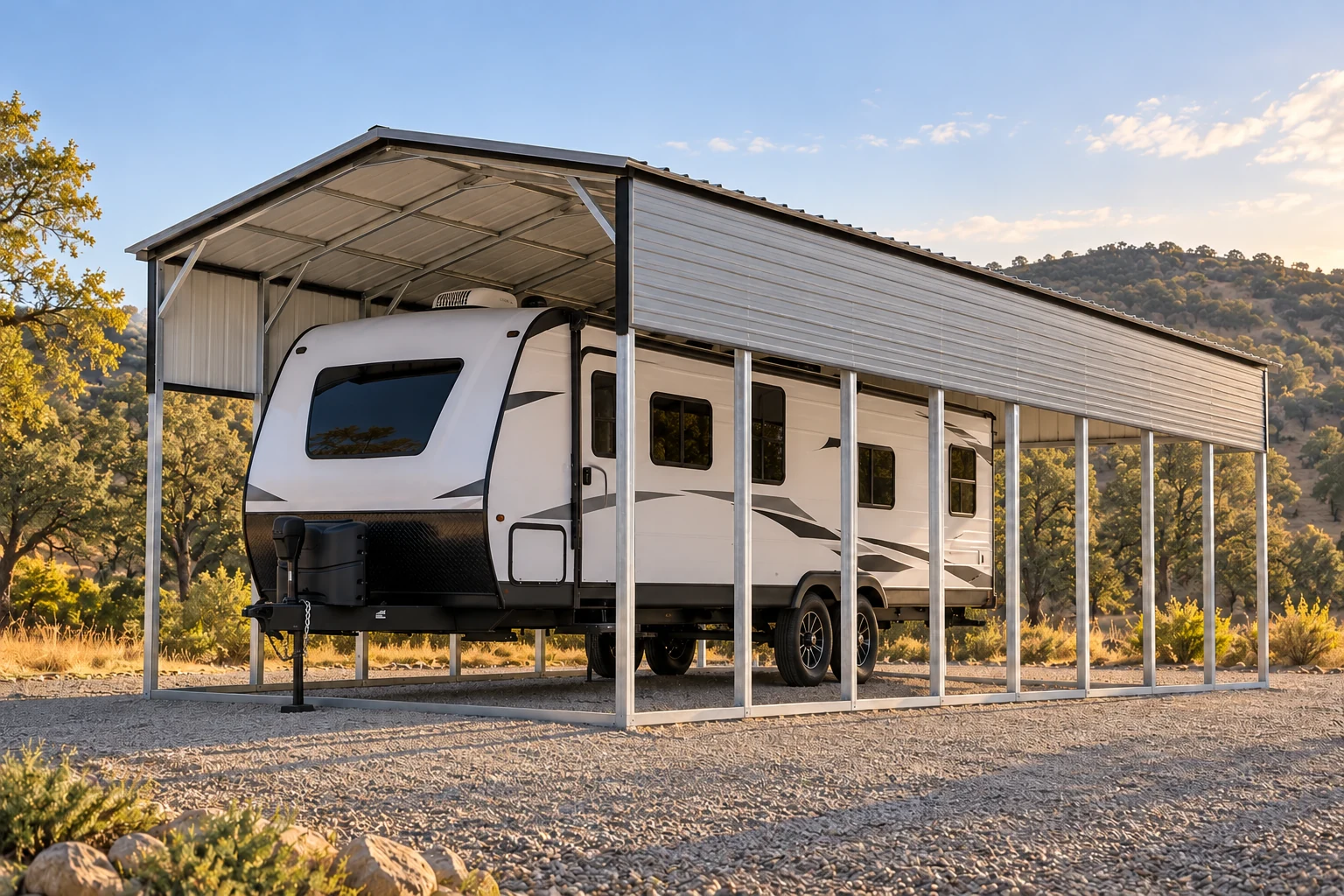
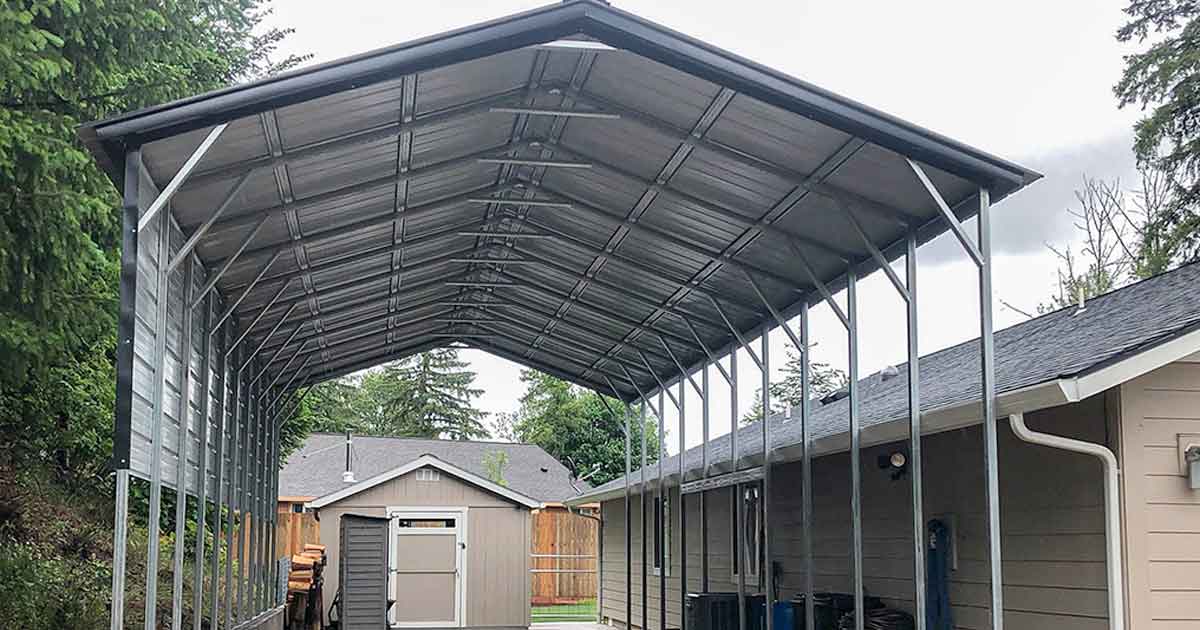
RV Carports
Extended leg height clears motorhomes and trailers safely.
Wide Span Buildings
No interior posts for full-width access and equipment use.
Standard Carports
Basic coverage systems for low exposure conditions.
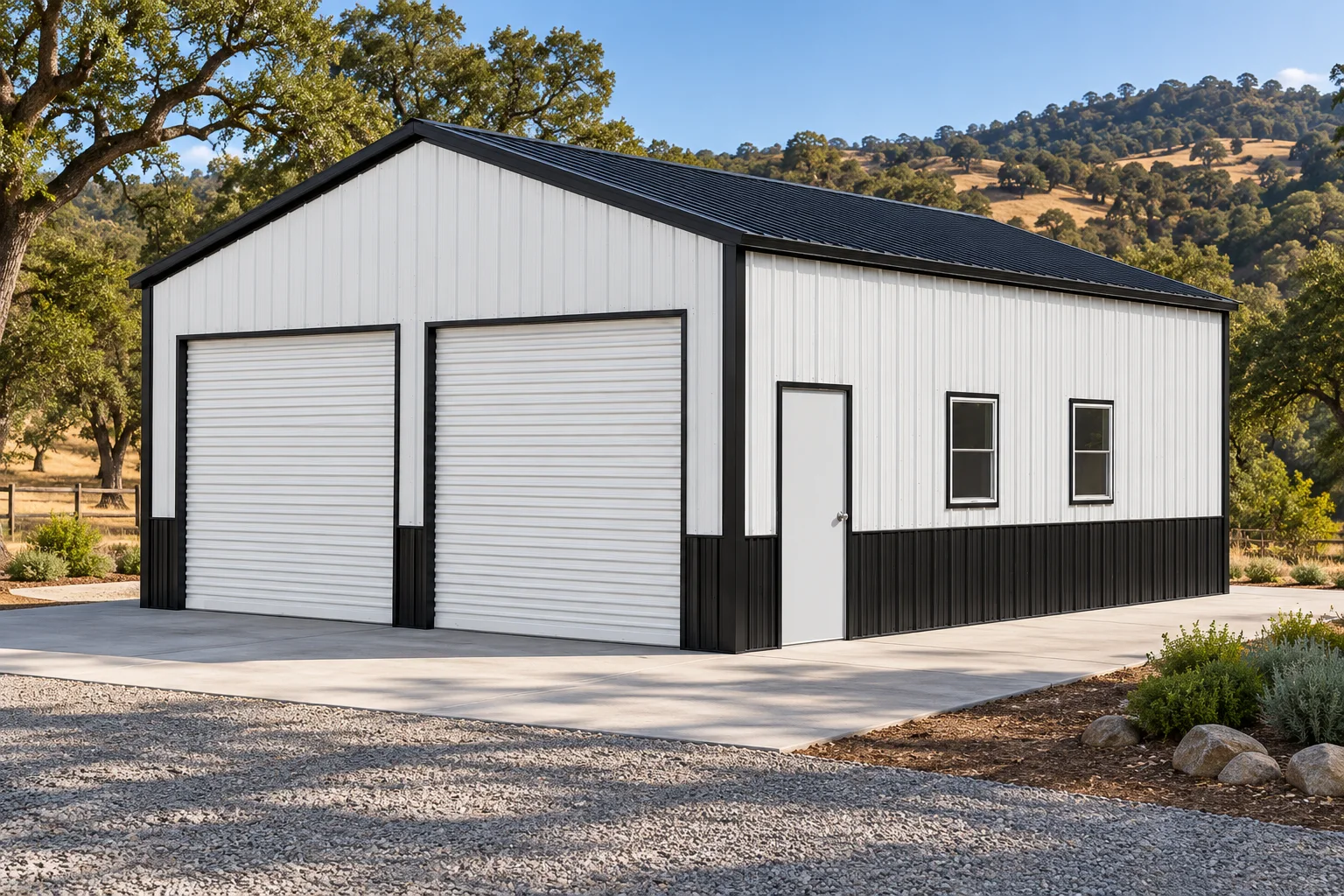
Metal Garages
Enclosed structures for full protection and security.
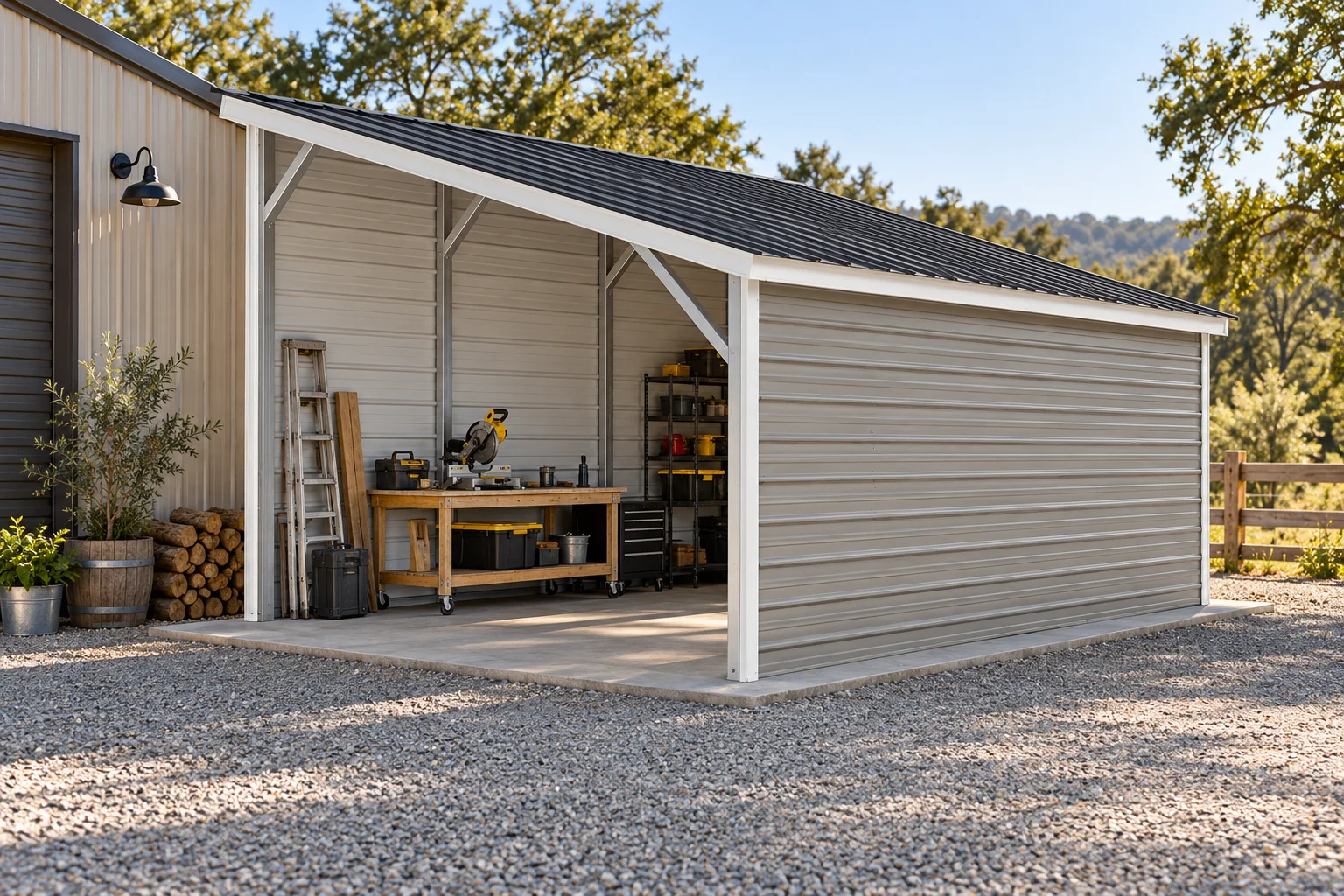
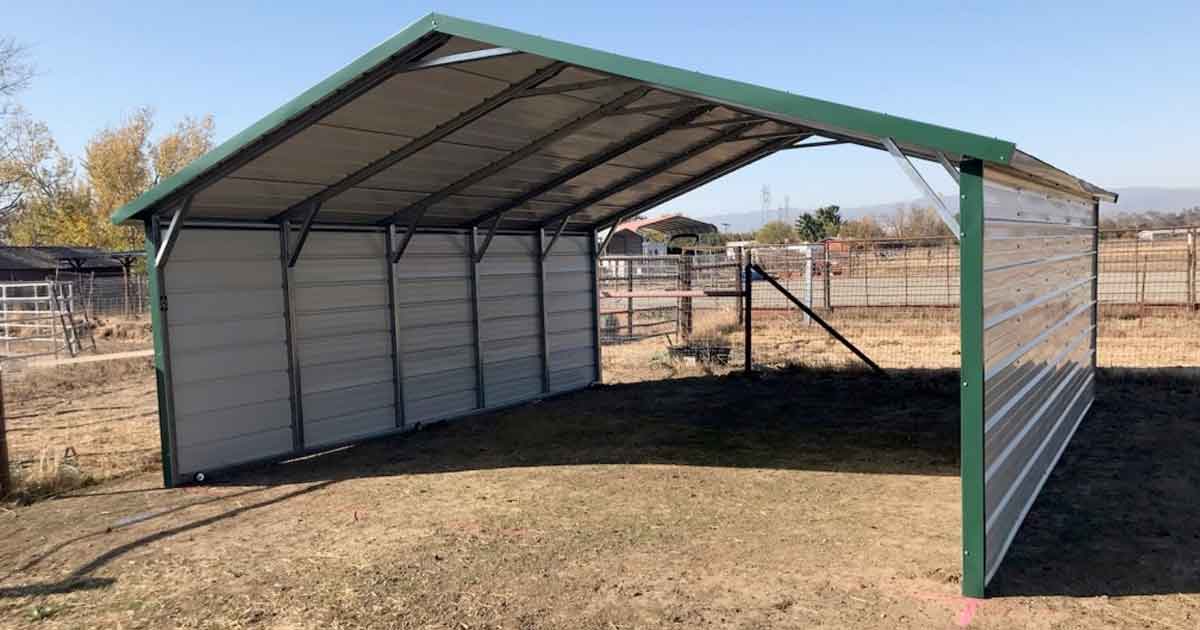
Lean-To Structures
Attach to existing buildings or expand coverage footprint.
Foundation Options
The foundation determines how the structure performs. Anchoring method, soil conditions, and load requirements all depend on the base you install on.
Asphalt Base
Asphalt can be used, but anchoring depends on thickness and condition. In most cases, rebar or asphalt anchors are used, but load capacity is lower than concrete. Best suited for lighter-duty applications.
Concrete Foundation
A concrete slab is the most stable foundation. Anchors are drilled directly into the slab, allowing consistent load transfer. Required for enclosed structures and higher load conditions.
Ground (Dirt / Gravel)
Ground installs use mobile home anchors driven into soil. Performance depends on compaction and drainage. Proper grading is required to prevent shifting over time.
Concrete configurations: Depending on your build, this may include a full concrete pad, perimeter strips, or pier footings. Each option changes how loads transfer into the ground and how the structure is anchored.
Plans & calculations: For engineered projects, foundation requirements are included in the plans. These are provided for your concrete contractor so the foundation is built to the exact anchoring and load specifications before installation.
Bracing Systems & Structural Support
Bracing controls how the structure resists movement from wind, snow load, and lateral forces. The type and amount of bracing depends on span, height, and whether the building is engineered for permits.
Wall Hat Channels
Hat channels run horizontally across wall framing to support panels and reduce flex. They distribute loads across the frame and are required when enclosing sides or adding structural rigidity.
Roof Bracing
Roof bracing ties the frame together across the top structure, reducing movement under wind uplift and snow load. This becomes more critical as span width and roof pitch increase.
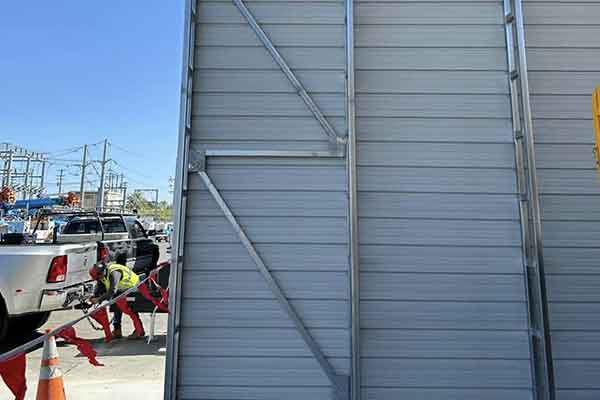
Diagonal Bracing (Lateral)
Diagonal bracing prevents racking by stabilizing the frame side-to-side. It transfers lateral forces into the foundation and keeps the structure square under load conditions.
Cross Bracing Systems
Cross bracing increases rigidity by tying multiple structural points together. Often used in engineered buildings where higher wind or snow loads require additional reinforcement.
Permits & snow loads: If your structure requires permits or is designed for higher snow load regions, bracing is not optional. The type, placement, and quantity are defined in engineered plans based on span, height, and load requirements.
System dependency: Bracing works together with anchoring and foundation design. Without proper anchoring or foundation support, added bracing does not perform as intended.
Recent Metal Carport & Garage Installations in Northern California
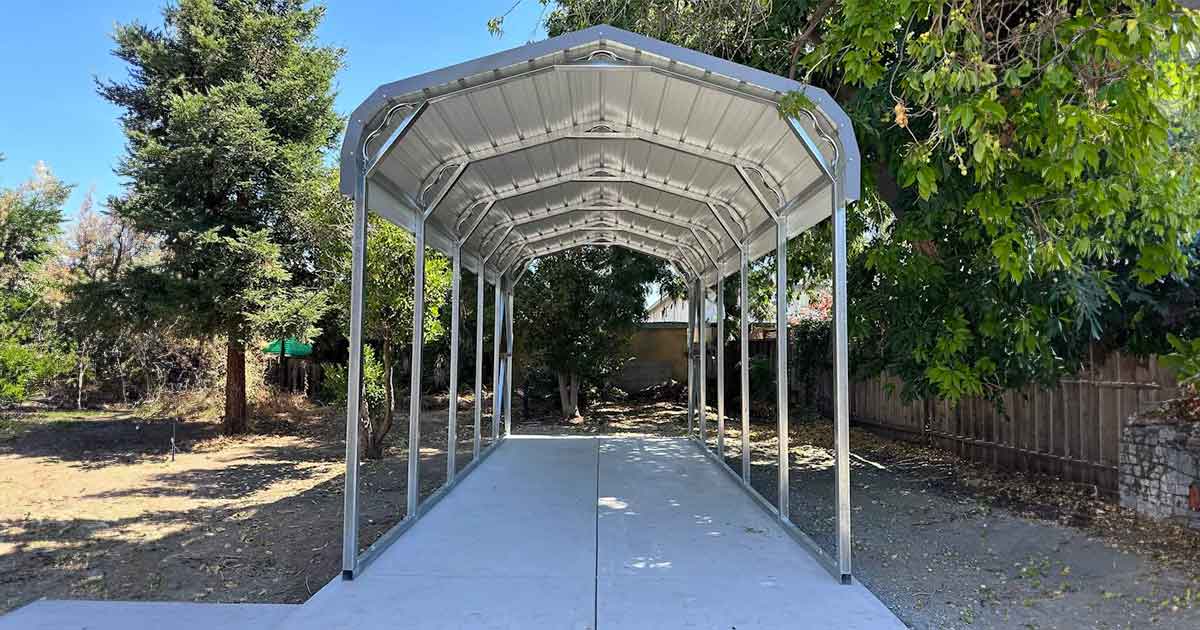
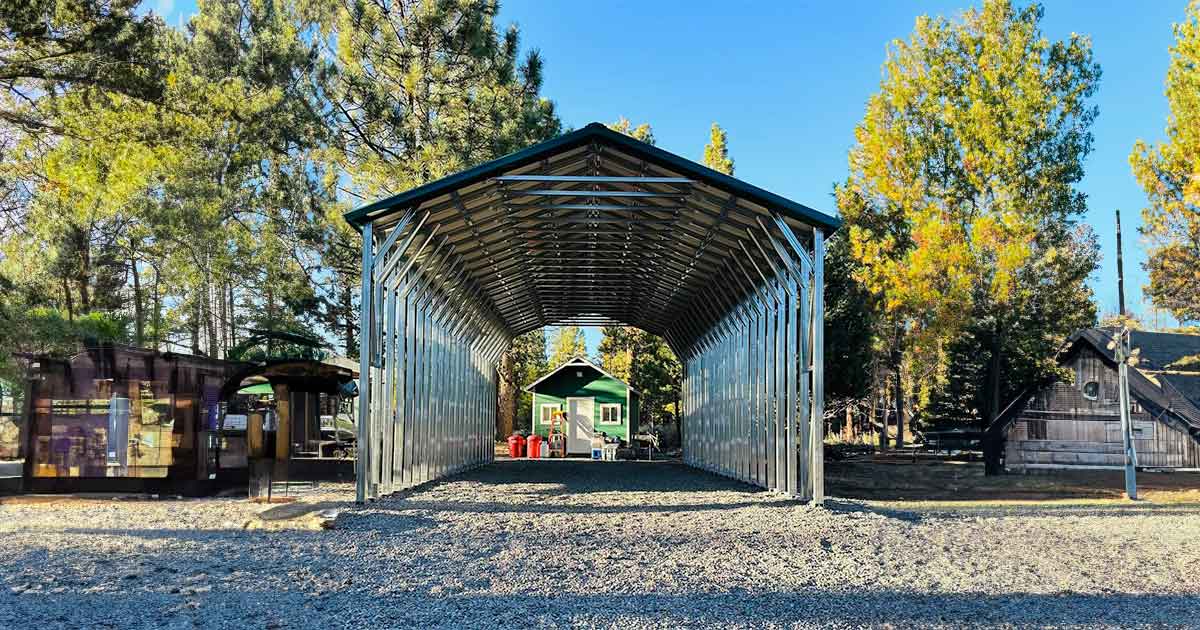
A small sample of completed vertical roof carports, RV covers, and enclosed metal garages installed across Northern California. View real projects for layout and structural reference.
Metal Carport & Steel Building FAQs
How do I order a metal carport or steel building in Northern California?
The process begins with confirming dimensions, roof style, framing gauge, and required wind or snow-load ratings for your location. Once specifications are finalized, a written agreement is signed electronically and a deposit secures your production slot.
What is the typical lead time?
Most standard structures are installed within approximately 3–5 weeks after deposit, depending on engineering requirements, customization level, and production availability.
Do I need a permit for a metal carport?
Permit requirements vary by city and county. Many California jurisdictions require permits for structures over 120 square feet, but local building departments ultimately determine requirements. We recommend verifying with your municipality prior to installation.
Who is responsible for pulling the permit?
In most cases, the property owner is responsible for submitting permit applications unless otherwise arranged. We can provide structural documentation when required.
Are engineer-stamped drawings available?
Engineer-stamped drawings and load certifications are available when required by your local building department. Availability and fees may vary depending on jurisdiction and structure type.
What type of foundation is required?
Installation typically requires a level, prepared surface such as a concrete slab, pier footing system, or approved ground anchor configuration. Foundation requirements may vary based on local engineering standards and soil conditions.
What snow-load or wind rating do I need?
Required ratings depend on elevation, exposure category, and local code. During the quoting process, we review your location to determine the appropriate engineered load rating for compliance.
When is payment due?
A deposit secures fabrication scheduling. The remaining balance is due at the time of installation unless otherwise agreed in writing.