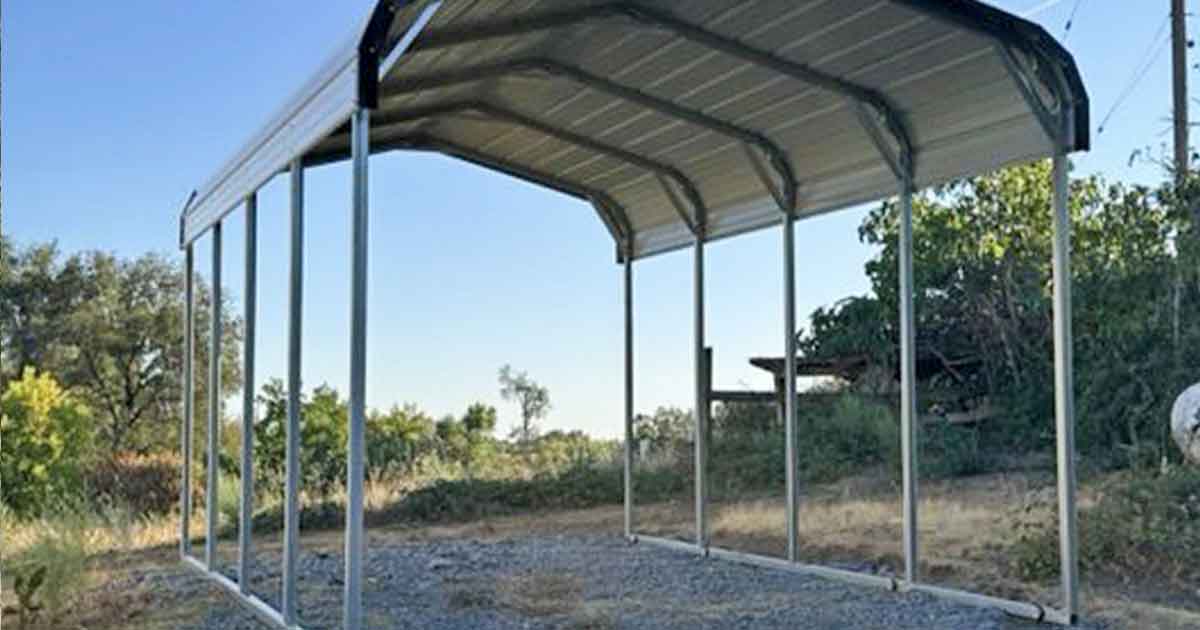
Estimating the Total Cost to Build
Budgeting for Your Carport
When considering the addition of a carport to your property, understanding the financial implications is essential for effective planning. Budgeting for your carport involves more than just estimating the initial costs—it requires a comprehensive assessment of all factors that contribute to the total expenditure.
From choosing the right materials and design to factoring in foundation costs and permits, each element plays a crucial role in shaping your budget. By breaking down these expenses into manageable components, you can make informed decisions and avoid unexpected financial surprises.
Whether you’re opting for a simple structure or a more elaborate design, having a clear budget will streamline the construction process and ensure your investment is sound. With careful planning and a thorough understanding of the costs involved, you can create a functional and visually appealing carport that fits seamlessly into your property’s landscape.
Let’s explore the specifics of budgeting for your carport so you can achieve your vision without compromising your financial stability.
Determine the total cost to build your carport.
Planning the Cost to Build Your Carport
When planning the cost to build your carport, it’s essential to consider various factors that will influence the total expense. Start by evaluating the size and design you envision, as these choices will significantly impact material and labor costs.
If you opt for a metal carport, compare the prices of different materials and construction styles, as this can affect how much a metal carport will cost. You’ll also need to account for foundation expenses, which may include excavation, concrete pouring, and site leveling depending on your installation requirements.
Base Model Details
- Base model: 12′ Wide × 20′ Long × 6′ High
- Starting price: $2,075 (not including tax)
- Standard shed-shaped roof with wrapped edges
- Optional roof upgrade: Horizontal or Vertical A-Frame
- Maximum leg height: up to 20′
- Carports over 12′ leg height include double legs for added stability
- Must be installed on a flat surface
- Concrete anchors for concrete foundations
- Mobile-home and asphalt anchors for dirt, gravel, or asphalt installations
- Carports can be enclosed to create garages
Information Needed for a Quote
- Width, length, and height of the carport
- Type of foundation (concrete, asphalt, dirt, gravel, or grass)
Remember to account for permits and optional features such as lighting, storage, or upgrades. Creating a detailed budget ensures you cover all anticipated expenses, helping you avoid unexpected costs and make informed financial decisions.
Carport Price Overview & Long-Term Value
Typically, the price of a carport can range significantly based on its size, customization options, and materials used. Standard metal carports may start at just a couple thousand dollars, but larger or more intricate designs can increase the cost considerably.
To get an accurate figure for your project, contact us by filling out our online form for a free carport estimate.
Beyond the initial purchase price, it’s important to consider the long-term implications of maintenance and durability. Metal carports generally require less upkeep compared to wood structures, potentially saving you money over time.
Be sure to review warranty coverage and available upgrade options, as these can influence the total cost of your carport and its value over the years. By factoring in all these variables, you can make a well-informed decision that fits your financial plan and meets your needs effectively.
Foundation Costs for a Carport
When estimating the total cost to build your carport, it’s essential to account for foundation costs, which can significantly impact your overall budget. The foundation provides stability and support, ensuring your carport withstands the elements and lasts for years to come.
Depending on your location and soil conditions, you may require a concrete slab, piers, or a gravel base—each with different costs. For example, a concrete slab may be more expensive initially but offers enhanced durability and longevity.
Site preparation is another factor that can influence foundation costs. If your building site requires grading or excavation, these services will add to your total expenses. By including these costs in your initial budget, you can avoid unexpected financial surprises later.
Ultimately, a well-planned foundation choice not only improves the structural integrity of your carport but also ensures that your investment remains secure over time.
Budgeting for Additional Carport Features
When considering additional features for your carport, it’s important to allocate your budget wisely. Enhancements like custom side panels, insulation, or upgraded roofing materials can greatly improve both functionality and aesthetics—but they can also increase the total cost to build your carport.
Evaluating the potential return on investment for each upgrade—such as improved vehicle protection or increased property value—can help you determine which options are worth the expense.
It’s also important to compare the costs of various materials and designs. For example, metal carports often offer lower maintenance needs and greater durability compared to wood or other alternatives, but initial costs can vary significantly depending on size and complexity of design.
By prioritizing features that align with your needs and budget, while factoring in long-term benefits, you can create a carport that not only meets your immediate requirements but also serves you well for years to come.
Plan for permit costs
Permit Costs & Comprehensive Budget Planning
Permit costs can significantly influence the overall budget for your carport project. Before starting construction, research the specific regulations and fees required by your local municipality. Permit costs vary greatly depending on your location, carport size, and chosen materials.
By factoring in permit expenses early, you can avoid unexpected costs and ensure compliance with local building codes. In addition to permit fees, also consider foundation costs—especially if soil conditions or design requirements demand a more robust base, such as a concrete slab or piers.
Planning for these costs in advance allows for a more accurate total project estimate. Understanding all potential expenses—materials, labor, permits, foundation work, and possible upgrades—helps you create a realistic and comprehensive budget.
In conclusion, budgeting for your carport means carefully balancing quality and cost. Account for additional expenses that may arise during construction, as well as future maintenance needs, to ensure your investment remains functional, attractive, and valuable for years to come.
Typical Costs Based on Carport Size
Carport pricing largely depends on the size and how many vehicles you plan to shelter. Here’s a general breakdown to help guide your expectations:
🚗 Single-Car Carports
Standard size is about 12′ x 20′, with fully installed prices ranging from $2,400 to $8,400, depending on design, materials, and local labor rates.
🚙 Double-Car Carports
Common size is 20′ x 20′. Prices often range from $4,000 to $14,000, reflecting upgrades like roof style changes, taller legs, or added features.
🚐 Three-Car Carports
Sizes range from 20′ x 30′ to 20′ x 40′, with costs generally between $6,000 and $21,000.
🚛 Four-Car Carports
Typical size is around 20′ x 40′, costing between $8,000 and $28,000, depending on size, materials, and options.
For RV protection, you’ll likely need 30′ in length or more. These larger carports may sound like a big investment, but they’re generally more budget-friendly than building a full garage—especially for oversized vehicles.
Don’t forget to account for permits, lighting, storage upgrades, and other features. Creating a detailed budget ensures you include all necessary costs and make decisions that align with your financial goals.
Prefabricated vs. Custom-Made Carports: Cost and Customization
When weighing your options between prefabricated and custom-made carports, it’s important to understand how each type affects both your budget and the level of personalization you can achieve.
🏗️ Prefabricated Carports
Prefab carports are designed for convenience, arriving fully assembled or as easy-to-install kits. Typically made from metal, though sometimes available in wood, these structures offer a straightforward solution without the need to design from scratch.
- Pricing: $2,000 – $7,000 (average around $4,500).
- Available in standard sizes for single vehicles, RVs, or boats.
- Limited to manufacturer’s dimensions and configurations.
- May require hiring a professional for installation if not DIY-friendly.
- Occasionally available used, offering potential cost savings.
⚒️ Custom-Made Carports
Custom-built carports offer maximum flexibility, allowing you to tailor the design to your property’s exact dimensions and style preferences. This option typically involves working with a contractor or builder.
- Pricing: $4,000 – $12,000 (average near $8,000).
- Full customization of size, layout, and aesthetics.
- Often includes new concrete slab installation and optional electrical work.
- Provides greater longevity, enhanced curb appeal, and seamless integration with existing architecture.
By comparing both options, you can decide whether the convenience and affordability of a prefab model or the full customization of a custom build is the best fit for your project and budget.
Carport Cost Add-Ons
While every Norcal Carport includes quality construction and standard features, many customers choose to enhance their structure with optional upgrades for added comfort, functionality, and protection. Below are common add-ons with typical price ranges to help you budget.
💡 Lighting Installation
Exterior lighting improves safety and convenience, especially at night. Costs typically range from $2,000 to $4,000 depending on layout and the number of fixtures. Overhead driveway lights and interior fixtures are common choices. Incorporating lighting during the build can lower wiring costs.
🧱 Insulation
Adding insulation helps regulate temperature and reduce condensation, making the space more comfortable for storage or work. Pricing generally runs $1,200 to $3,500 depending on coverage area and insulation type.
🔌 Electrical Outlets
Perfect for powering tools, charging equipment, or adding outdoor appliances. Electrical work can range from $800 to $2,500 depending on the number of outlets, distance from the main panel, and wiring complexity.
🏗️ Reinforced Framing & Bracing
Upgrade to 12-gauge framing or add extra bracing for improved durability in high wind or snow areas. Costs vary from $400 to $1,500 depending on size and reinforcement level.
📏 Extra Leg Height
Increase clearance for RVs, boats, or larger trucks. Price typically runs $150 to $400 per additional foot of leg height.
Including your desired upgrades in the initial design phase ensures they’re installed efficiently and at the best possible price. Always factor these options into your overall project budget to avoid surprise costs later.
How Much Does It Cost to Install Solar Panels on a Carport?
Many homeowners see real value in transforming their carport into an energy-producing asset. On average, building a solar carport designed to meet the electricity needs of a typical household—often involving a two-car structure—generally starts around $50,000–$60,000. This amount can vary based on factors like size, the type and efficiency of solar panels, and the complexity of the installation.
Additional cost factors include whether your carport roof is newly constructed or requires retrofitting, your geographic location, and your local utility rates. While the price tag can seem steep, long-term energy savings may offset the initial investment—especially if you take advantage of tax incentives, rebates, or manufacturer warranties from brands like SunPower, REC, and Q CELLS.
For maximum solar energy capture, consider customizing your carport’s roof angle for optimal efficiency. Consulting with a solar specialist can help you estimate projected energy savings and determine if a solar carport is the right investment for your property.
Assess both the upfront installation costs and the long-term benefits before deciding. This ensures your investment aligns with your home’s energy goals and financial plan.
How Well Do Carports Protect Cars from Weather and Theft?
A carport offers dependable protection against a variety of weather conditions, serving as a reliable shield for your vehicles. Whether you’re facing heavy rain, hailstorms, snow, or harsh sunlight, a well-constructed carport helps minimize direct exposure and prevents common weather-related damage such as rust, faded paint, and cracked windshields.
Beyond weather protection, carports provide an added layer of security. Covered parking in an accessible, visible location can deter opportunistic theft or vandalism, as criminals are less likely to approach vehicles parked under a structure with clear lines of sight. The cover also makes it easier and safer for passengers to enter and exit vehicles during inclement weather, further enhancing convenience.
By combining elements of both weather resistance and passive security, carports offer a practical, year-round solution for protecting your investment.
Foundation Costs for a Carport
When estimating the total cost to build your carport, it’s essential to account for foundation costs, which can significantly impact your overall budget. The foundation provides stability and support, ensuring your carport withstands the elements and stands the test of time.
Depending on your location and soil conditions, you may require a concrete slab, piers, or a gravel base—each with varying costs. A concrete slab is typically more expensive upfront but offers enhanced durability and longevity.
Many carports are built on a concrete slab foundation, which typically costs $6 to $9 per square foot. For example, a standard one-car carport with a 12′ × 20′ slab and piers can cost at least $1,700. While this is a higher initial investment compared to other bases, a concrete foundation provides a more finished appearance and can simplify future garage conversions.
Site preparation is another factor that can influence foundation costs. If your site requires grading or excavation, these services will add to your overall expenses. Including these costs in your initial budget helps avoid unexpected financial burdens later.
Ultimately, a well-planned foundation choice not only strengthens the structural integrity of your carport but also ensures your investment remains secure for years to come.
Planning the Cost to Build Your Carport
When planning the cost to build your carport, it’s essential to consider various factors that influence the overall expense. Start by evaluating the size and design you envision, as these elements significantly impact material and labor costs.
If you’re considering a metal carport, compare prices for different materials and construction styles, as this choice can affect your overall cost. Don’t forget to factor in foundation expenses, which may include excavation, concrete pouring, and leveling, depending on your site’s specific requirements.
Understanding Carport Measurements
- Width: Measured from the outside of one base rail to the outside of the opposite base rail (horizontal distance).
- Length: The horizontal distance from the front leg to the back leg.
- Height: Determined by the vertical length of the support posts, plus an additional foot.
You’ll need to provide these dimensions when requesting quotes or placing an order.
Key Features and Considerations
- Base model: 12′ Wide × 20′ Long × 6′ High
- Starting price: $2,075 (not including tax)
- Standard shed-shaped roof with wrapped edges
- Upgrade available: Horizontal or vertical A-frame roof
- Max leg height: up to 20′
- Double legs for carports over 12′ leg height
- Must be installed on a flat surface
- Concrete anchors for concrete foundations
- Mobile-home or asphalt anchors for dirt, gravel, or asphalt installations
- Carports can be enclosed to create garages
When planning, be prepared to specify both the size and the type of foundation—concrete, asphalt, dirt, gravel, or grass—on which your carport will be installed. Considering these details up front helps create a realistic budget and ensures your project meets both functional and aesthetic expectations.
Cost Benefits of Metal Carports
Metal carports generally require less upkeep compared to wood structures, potentially saving you money over time. In addition to reduced maintenance, carports are often a more cost-effective alternative to traditional garages. With fewer materials required and little to no need for utilities, they come in at a more accessible price point for most homeowners.
There are options to suit nearly every budget—from affordable, freestanding models and straightforward carport kits to more customized designs with extra features. If you’re looking to maximize savings, consider purchasing a budget-friendly kit or even searching for a quality used carport.
Be sure to review warranty options and available upgrades, as these factors can influence the total cost to build your carport. By weighing all variables, you can make a well-informed decision that fits your financial plan and meets your functional needs effectively.