
Delivery & Installation
Explains how crews access your property, required working space, and how terrain, slopes, and obstacles affect install success.
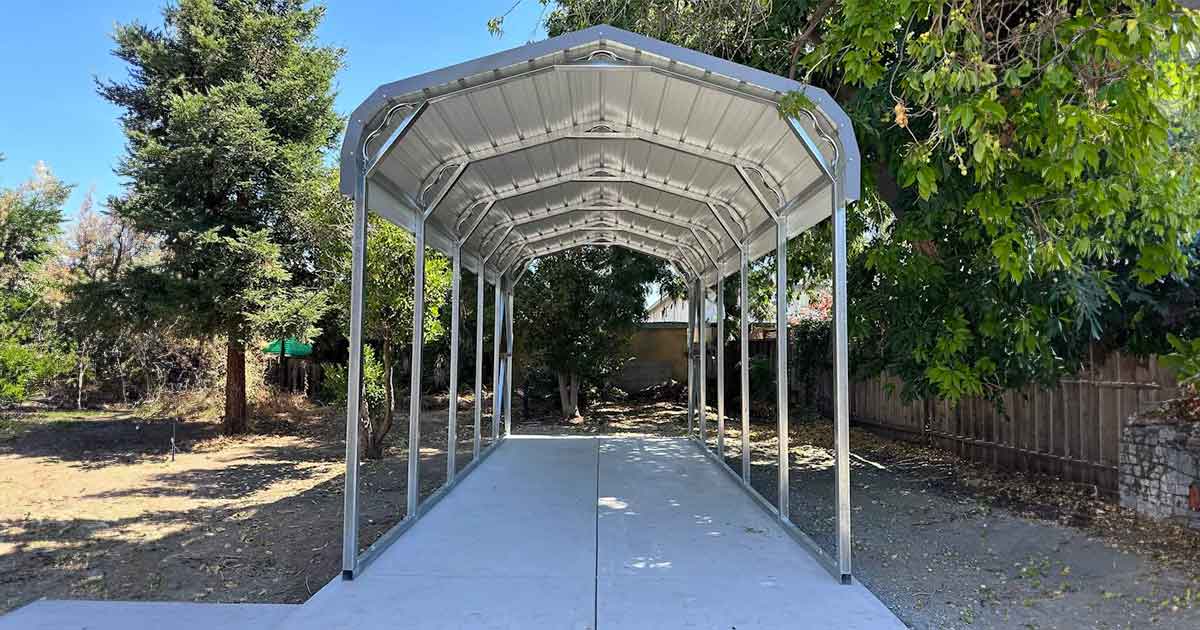
Delivery & Installation Guide
At Norcal Carports, we strive to make the transition from purchase to protection as seamless as possible. Understanding the logistics of installation day ensures a safe, efficient, and successful build for your new structure.
Important Note: Delivery and standard installation are free on most projects with an installation-ready site, and very large buildings may have a freight charge. Difficult access, excessive unloading distance, work over obstacles or elevated bases, return trips, site correction, equipment, and other nonstandard conditions may add charges under the signed order.
1. Ground Leveling & Site Preparation
For a structure to stand true and operate correctly (especially for enclosed garages with doors), the ground must be level.
- Tolerance: The site must be level within 3 inches across the entire footprint.
- Debris Removal: The area must be completely free of debris, stumps, high brush, and old structures before the crew arrives.
- Surface Type: Best National Carports can install on dirt, gravel, asphalt, or concrete when the surface and site meet the order requirements. If installing on concrete, confirm the required slab specifications and cure time before scheduling.
Pro Tip: If the ground is not level, the building may "rack" or twist, causing doors to bind and panels to misalign. Sites out of level by more than 3 inches may incur additional labor charges or require a reschedule.
2. Property Access & Clearance
Best National Carports' installation crew arrives with a large truck and trailer, often totaling 50 to 60 feet in length.
- Ingress/Egress: Ensure there is a clear, wide path for a dual-rear-wheel truck and a long trailer to reach the build site.
- Turning Radius: Narrow driveways with sharp turns or steep grades may prevent access.
- Overhead Obstructions: Check for low-hanging tree branches, power lines, or building eaves. We require at least 14-16 feet of vertical clearance for transit.
Related RV Storage Examples
Large vehicles need both building clearance and delivery access. Compare the 16 x 40 x 12 vertical RV carport, 18 x 38 x 12 vertical RV carport, and 18 x 40 x 14 vertical RV carport when checking driveway approach, turning space, and overhead clearance. For a smaller enclosed installation, review the 12 x 20 x 10 vertical roof garage before finalizing door and access needs.
3. The Installation "Safety Zone"
To safely assemble your structure, the crew needs room to move and position ladders and scaffolding.
- Work Space: We require a minimum of 3 feet of clear workspace around the entire perimeter of the building.
- Obstacles: Fences, existing buildings, or landscaping within this 3-foot buffer must be managed or removed prior to arrival.
4. Underground Utilities (Call 811)
Safety is our top priority. Since we drive anchors deep into the ground (especially mobile home anchors for dirt/gravel installs), it is critical to know what is beneath the surface.
- Customer Responsibility: It is the homeowner's responsibility to identify and mark all underground power, water, gas, and sewer lines.
- Call Before You Dig: We strongly recommend calling 811 (the national "call before you dig" service) at least 48 hours before your scheduled installation.
5. Power & Facilities
The manufacturer's crew is largely self-sufficient, but access to the following can help installation day go smoothly:
- Electricity: If a 110v power outlet is available within 100 feet, it is appreciated. If not, please notify us so the crew can ensure their generators are ready.
- Weather: We monitor Northern California weather closely. High winds or heavy rain may result in a safety-related reschedule.
6. Final Inspection & Payment
Once the building is complete, the lead installer will walk the site with you.
- Walkthrough: Verify the structure is level, anchors are secure, and all panels are correctly fastened.
- Balance Due: Unless the signed purchase order says otherwise, the remaining balance is due when materials are delivered and before installation begins. Confirm the accepted payment method and any card fee before the crew arrives.
Following these site preparation guidelines helps the install crew place the frame correctly, set anchors cleanly, and avoid delays on delivery day.

Michael Ruiz
Founder & Steel Structures Expert Northern California
Michael Ruiz started Norcal Carports to help customers compare steel-building options, prepare accurate order details, and coordinate delivery and installation with the manufacturer.
Buyer Path
What to Compare Next
This keeps the path moving from research into product fit, local requirements, and quote readiness.
Sizing
Dimensions Guide
Confirm width, length, height, door swing, and future-use clearance.
Product
Metal Carports
Compare open steel coverage options for everyday vehicle and equipment storage.
Example
12 x 20 x 6 Standard Open Carport
Use a compact open carport example as a basic quote starting point.
Quote
Request a Site-Specific Quote
Send dimensions, city, surface, roof style, and exposure concerns.
Expert Engineering Insight
"When a project or local jurisdiction requires engineering, the ordered configuration can be reviewed for the applicable wind, snow, anchoring, and site criteria before manufacturing."
Other Buying a Carport Resources
Quote Readiness
Turn This Guide Into a Quote
Use this guide to narrow the project details, then send the details that let us quote the real site instead of a generic package.