

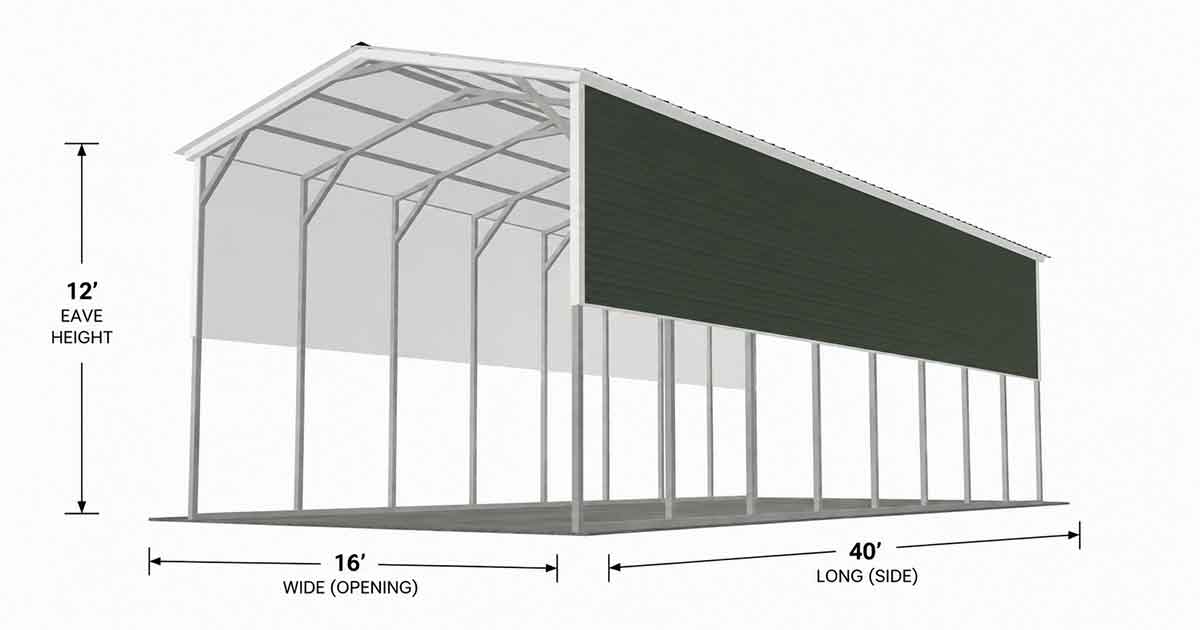
RV CarportVertical
16' x 40' x 12'
- 12-Gauge frame
- Concrete anchors
- Side-wall coverage
Planning Price
$10,717
Lead Time
4–10 weeks
Designed for Class A motorhomes, fifth wheels, and travel trailers with tall clearance, turning radius consideration, and improved drainage using vertical roof systems.
Walk through the details
Start with the building’s use, then compare the size, roof profile, enclosure, and site details that shape the quote.
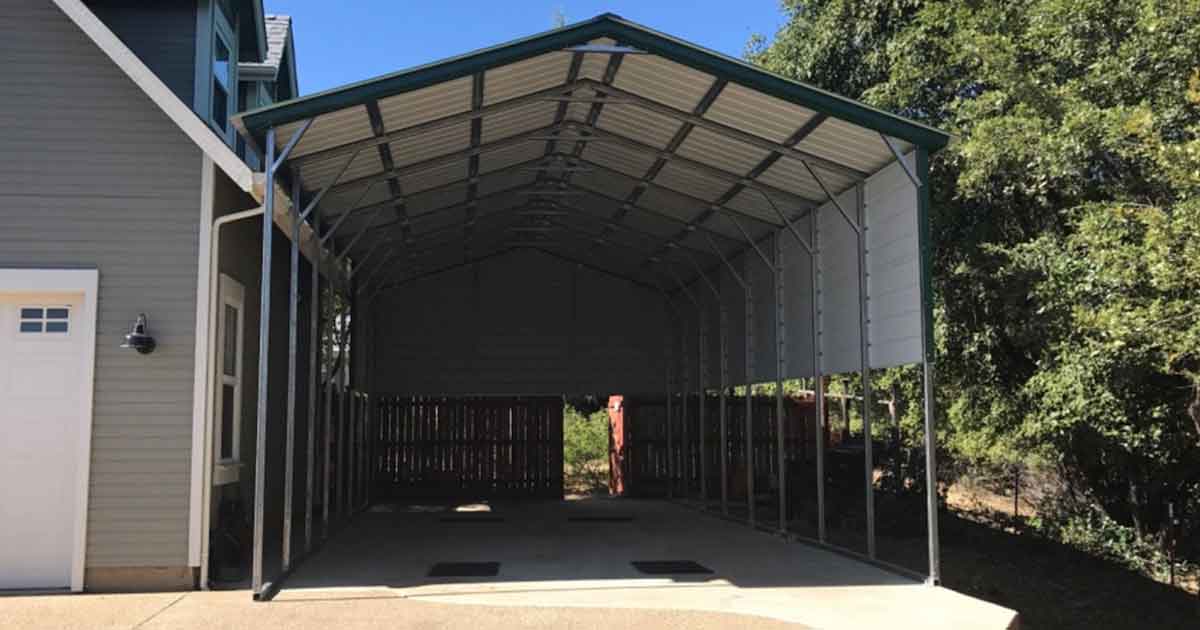
RV and travel-trailer protection with tall clearance
One real before-and-after view makes the footprint and finished covered space easier to picture. This is a representative rv carport project transformation.
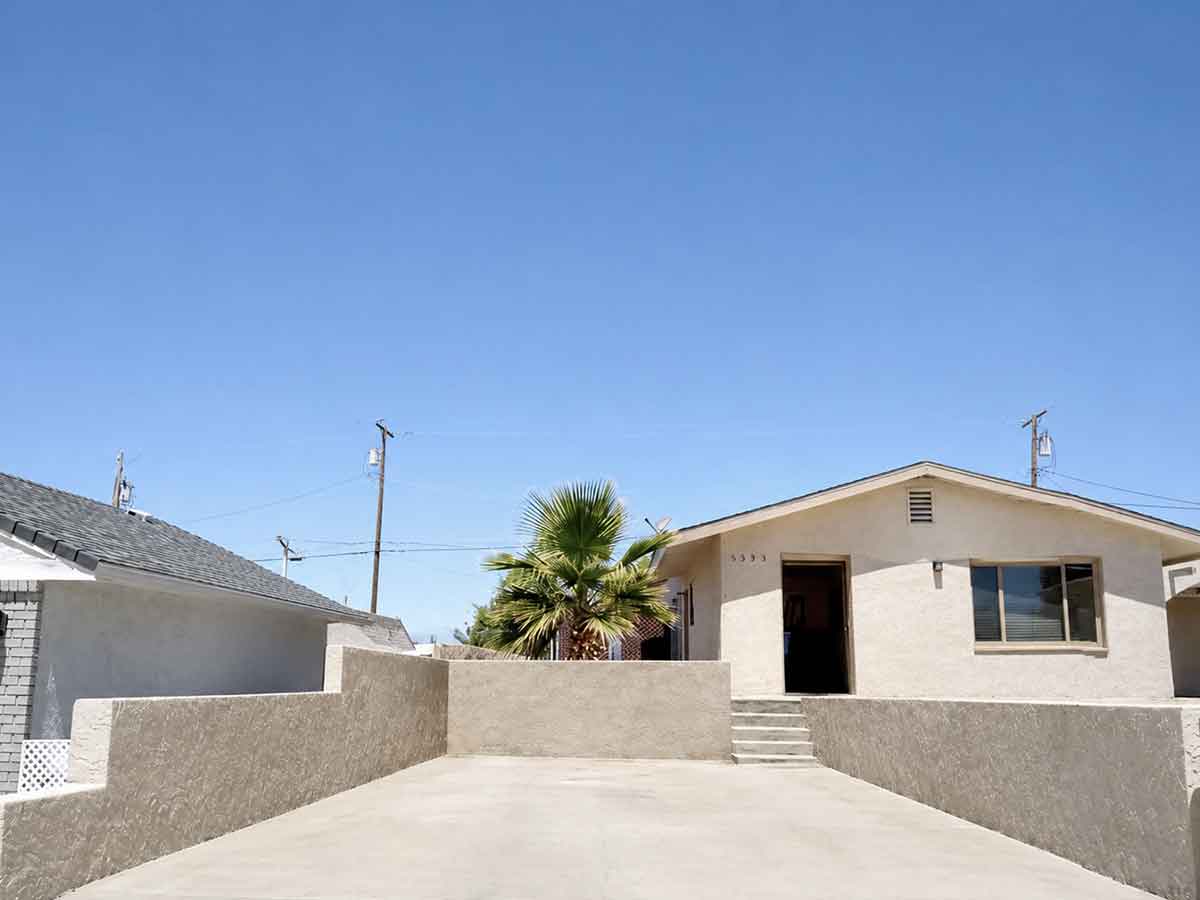 Before
Open site
The footprint before the structure is installed.
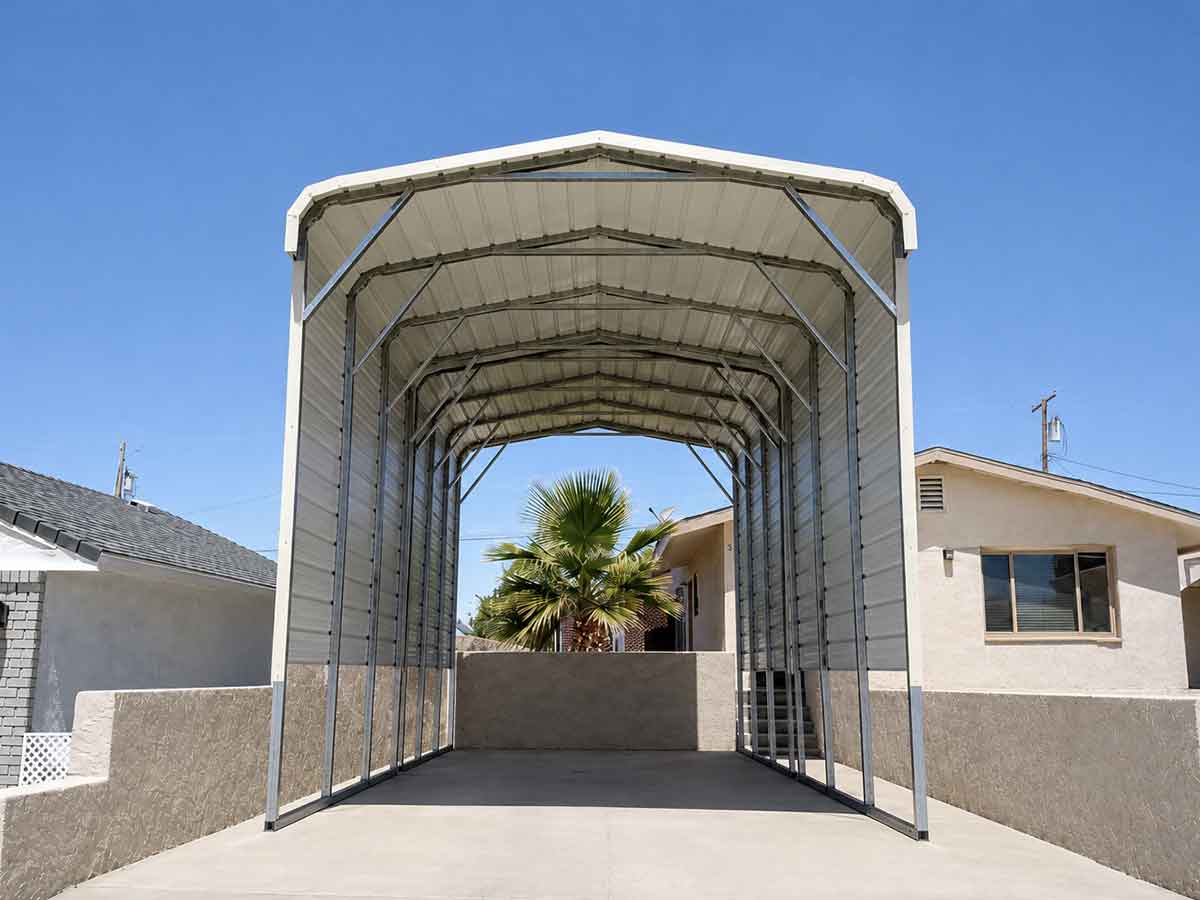 After installation
Covered space
The finished structure using the same footprint.
Actual product and project photos give you a clearer sense of the structure before you review the details.
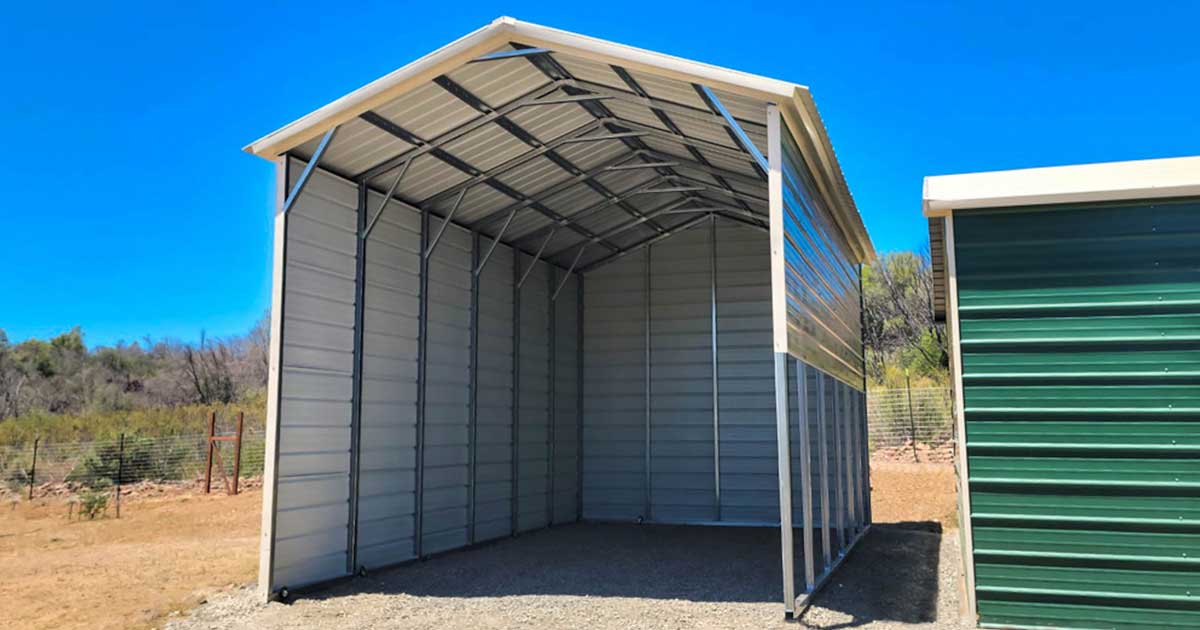
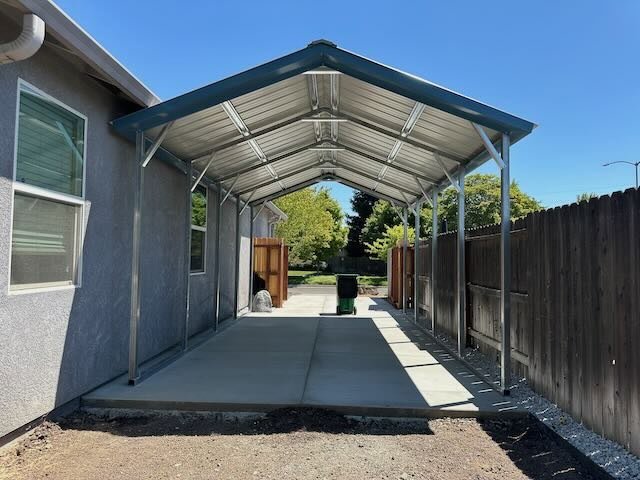
Compare popular configurations from this product family, review their saved specifications, and request pricing for the closest match or a custom variation.
$10,717
4–10 weeks
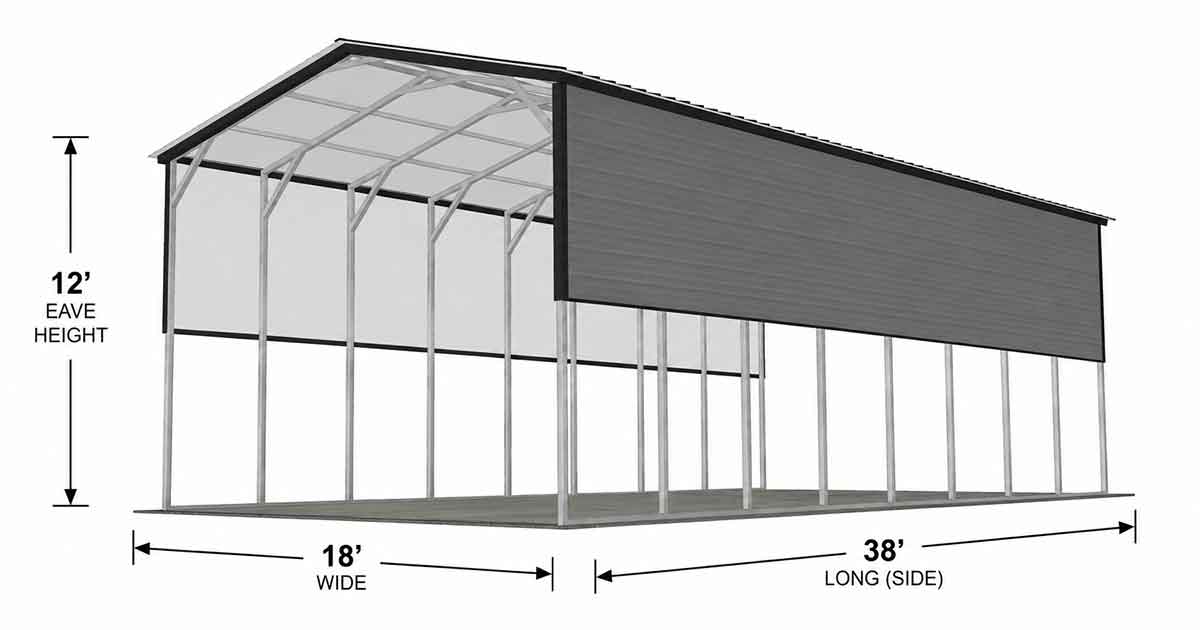
$10,929
4–10 weeks
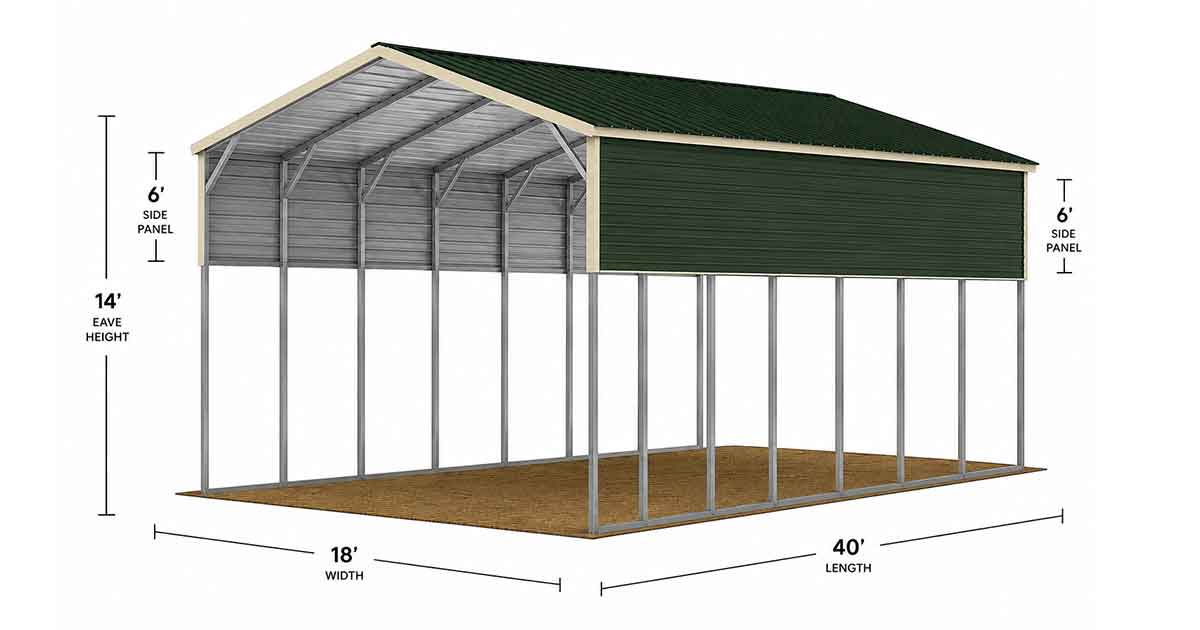
$13,169
4–10 weeks
An RV carport should be sized around the RV's total length, mirror width, slide-outs, door swing, and highest roof accessory such as AC units or antennas.
Get an EstimateClass A motorhomes, fifth wheels, travel trailers, toy haulers, boats, and tall equipment.
Many RV covers use 12' to 18' widths, 35' to 45' lengths, and 12' to 14'+ leg heights depending on the vehicle.
Vertical roofs are commonly recommended for RV covers because tall and long structures benefit from better runoff.
Height, length, vertical roof upgrades, frame gauge, anchors, side panels, end panels, snow load, and access conditions.
Tall RV covers may trigger local height, setback, engineered drawing, and foundation requirements.
Send your RV class, total height with AC, total length, slide-out needs, city, and installation surface.
These short comparisons answer the decision questions customers often ask before requesting a quote.
An RV carport is usually better for tall open coverage and easier access. An enclosed RV garage is better when security, walls, doors, and protected storage space are worth the higher cost and planning requirements.
Start with an RV carport if sun and rain protection are the main needs. Consider an RV garage if lockable enclosed storage is essential.
Vertical roofs are commonly recommended for RV covers because RV structures are tall and long, so runoff, debris shedding, and roof performance matter more over time.
For most tall RV covers, request vertical roof pricing first and compare the savings only if the site is low exposure.
RV Covers & Motorhome Carports can be configured with 12-gauge or 14-gauge galvanized steel framing. Norcal Carports coordinates pricing from A&A Engineering when the building, site, or jurisdiction requires engineering.
A&A Engineering provides engineering when the structure, site, or jurisdiction requires it.
Adjust width, length, and height to fit your specific vehicle or storage needs.
Best National Carports delivers and installs the structure when the site is level, clear, accessible, and ready.
Browse representative project and installation photos, then request pricing for the dimensions, options, and site conditions that apply to your property.
A&A Engineering provides engineering when the building, site, or jurisdiction requires it.
Best National Carports issues and honors warranties under its current written terms.
Best National Carports delivers and installs free on most projects. Very large buildings may have a freight charge.
custom RV carports can be sized around motorhome height, roof AC clearance, slide-out space, turning access, vertical roof runoff, and long-term UV protection.
Planning Focus
Clearance + turning space
Footprint
Adjust width, length, and leg height around vehicles, equipment, workspace, or storage layout.
Roof System
Choose standard, boxed-eave, vertical, lean-to, or wide-span roof behavior based on runoff and exposure.
Enclosure
Add side panels, gable ends, partial walls, storage sections, or full enclosure where the product allows.
Access
Plan roll-up doors, walk-in doors, window placement, RV clearance, trailer access, or drive-through openings.
Colors
Coordinate roof, trim, wall panels, wainscot, and door colors with your home, shop, barn, or property.
Steel Frame
Select frame gauge, bracing, anchors, and engineering details around local wind, snow, and site conditions.
Share the product link, property location, dimensions, foundation surface, and any permit or snow-load concerns so the quote can match the actual installation conditions.
Quote Readiness
A final quote depends on how this product fits your actual vehicles, site, surface, and local requirements.
Buyer Path
Use these existing pages to compare fit, resolve objections, and prepare a better quote request.
Sizing
Review height, length, roof clearance, and oversized-vehicle planning before quoting.
Example
Compare a taller RV example when AC units, antennas, and clearance matter.
Foundation
Understand how surface type changes the anchor package and final review.
Permit
Check how tall RV covers can trigger local height, setback, and drawing requirements.
Permit requirements vary across Northern California by city or county, structure size, placement, foundation, enclosure, wind or snow loads, intended use, and HOA rules. Confirm the local requirements with the applicable building department before ordering or installation. The customer is responsible for permit applications, permit fees, zoning and setback confirmation, and coordinating required inspections with the applicable city or county. Engineering is conditional, not included with every building. If a city, county, HOA, or inspector requests it, Norcal Carports may coordinate available engineering information or a quote from A&A Engineering.
There is no single Northern California street setback. The local jurisdiction determines the required front setback and whether it is measured from a property line, right-of-way, or another reference. Confirm the local rule before ordering.
A fence is not always the legal property line. Confirm the property line and local side or rear setback with the jurisdiction; also account for the full roofline, posts, anchors, drainage, and any easements.
We generally recommend a minimum width of 12ft-14ft and a height at least 2ft taller than your RV's highest point (including AC units). For standard motorhomes, a 14' to 16' height is common. Always measure your RV with all slides out to ensure internal clearance if you plan on using it while covered.
Standard roofs use horizontal panels with rounded corners (most economical). Boxed Eave looks like a traditional house roof with horizontal panels. Vertical roofs run the ridges from the peak to the eaves, allowing snow and debris to slide off easily. We highly recommend Vertical roofs for any building over 24' wide or in snow-prone areas.
14-gauge is the industry standard (2 ½" x 2 ½" frame). 12-gauge is thicker and stronger (2 ¼" x 2 ¼" frame), offering higher tensile strength and a longer warranty. In high-wind or heavy-snow areas, 12-gauge is often the safer structural choice.
Provide a level, clear, accessible site with no obstructions and an acceptable installation surface. Concrete pads must meet the carport requirements. The customer handles concrete, foundations, utility marking, and other site preparation before Best National Carports arrives; an unready site can lead to return-trip, restocking, or other charges.
We offer 13 metal panel and trim finishes. You can freely mix and match colors for the roof, trim, siding, and wainscot to coordinate with your home or shop. Browse all finishes on our Color Chart.
Yes! If you prefer to assemble the structure yourself, request our DIY Materials Drop-Off option to receive a 10% discount off the standard installed price.
No. Norcal Carports does not pour concrete or perform site excavation. The customer provides the level surface (slab, footings/piers, asphalt, or gravel), and we supply and install the appropriate anchors.
Before you request a quote
Share the size, installation ZIP code, surface, access, and site conditions you know. Those details help shape a project-specific quote.
Need pricing for a carport, RV cover, garage, lean-to structure, or wide-span building? Send the size, installation ZIP code, surface, and site conditions. Most quote requests receive a response the same day or by the next business day.
