
Plans & Engineering Calculations
Includes stamped plans, site-specific load calculations, and engineering required for permits. Covers wind, snow, and anchoring.
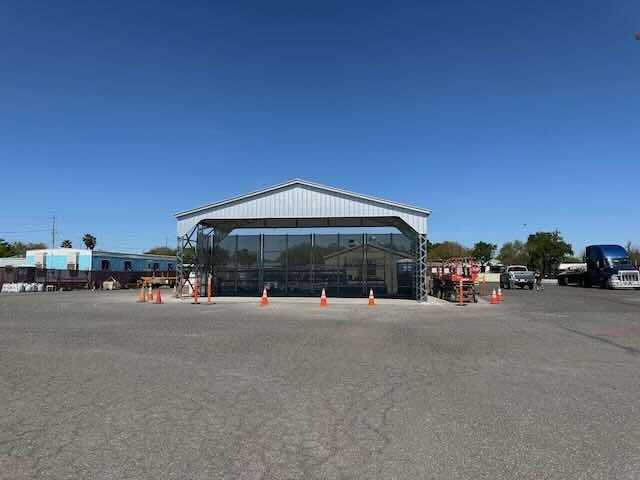
Metal Carport Engineering & Structural Calculations
Every metal carport or building is a structural system — not just a product. This resource hub breaks down how these systems are designed, installed, and engineered for real conditions across Northern California.
Engineered Plans & Structural Calculations
Plans and calculations define how your structure is designed to handle wind, snow, and load conditions. These are site-specific engineering documents used for permitting and structural verification.
- Design Loads: Wind speed, seismic forces, and roof loads are calculated based on location and code requirements.
- Framing System: Post spacing, truss layout, and steel member sizing determine how loads are carried.
- Foundation Design: Anchoring, slab requirements, and footing depth are engineered to match structural loads.
- Connection Details: Fasteners, welds, and bracing systems define how the structure holds together under stress.
- Load Path: Engineering defines how weight transfers from roof → frame → anchors → ground.
- Stamped Approval: Plans are reviewed and sealed by a licensed engineer for permit compliance.
Pro Tip: These are not generic diagrams — they are engineered systems tied directly to your site, structure size, and local code requirements.
What Engineering Plans Actually Include
A typical plan set includes multiple sheets covering structural design criteria, elevations, foundation layouts, framing sections, and connection details.
- Design Criteria: Wind exposure, seismic category, roof live loads, and material specifications.
- Elevation Drawings: Front, side, and rear views showing exact building dimensions and clearances.
- Foundation Plans: Anchor placement, slab reinforcement, and footing depth requirements.
- Column Layout: Exact spacing and positioning of structural posts and load points.
- Frame Sections: Steel member sizes, bracing systems, and roof structure design.
- Connection Details: Fastener spacing, anchor embedment, and structural connection methods.
Why Engineering Matters in Northern California
Conditions vary significantly across the region — valley wind exposure, foothill snow loads, and seismic requirements all impact how a structure must be designed. A structure that looks correct visually can still fail if the load design, anchoring, or spacing does not match site conditions.
Why Engineered Plans Cost What They Do
Typical Range: $1,250 – $5,000+
- Engineering calculations for wind, seismic, and structural loads
- Site-specific design — not reusable templates
- Foundation and anchoring system design
- Full structural system coordination (frame, bracing, connections)
- Licensed engineer review and stamped approval
- Permit compliance with California building codes
You are not paying for drawings — you are paying for the structural logic that determines whether the building performs under load.
Foundation & Installation Dependency
All engineered systems assume proper installation on a level and adequate foundation. This includes concrete slabs, footings, or engineered ground installs. If the foundation or anchoring does not match the plan requirements, the structure will not perform as designed.
Related Engineering Resources
Engineering requirements are easier to understand when you compare them against real structure examples. Start with metal garages for enclosed storage planning, then review the 12 x 20 x 10 vertical roof garage for a compact enclosed example. Tall RV projects should also compare the 16 x 40 x 12 vertical RV carport and 18 x 40 x 14 vertical RV carport when thinking through height, wind exposure, and foundation assumptions.
Bottom Line: Every component — from post spacing to anchor depth — is tied to engineering. The visible structure is only the result. The performance comes from the system behind it.

Michael Ruiz
Founder & Steel Structures Expert Northern California
Michael Ruiz started Norcal Carports to help customers compare steel-building options, prepare accurate order details, and coordinate delivery and installation with the manufacturer.
Buyer Path
What to Compare Next
This keeps the path moving from research into product fit, local requirements, and quote readiness.
Foundation
Foundation Requirements
Understand slab, footing, edge-distance, and anchoring issues before permitting.
Engineering
Bracing Gallery
See structural reinforcement details that can matter for wind, snow, and larger builds.
Product
Wide Span Metal Buildings
Compare a higher-value structure type where engineering and permits often matter early.
Local
Metal Carports in Sacramento
Review Sacramento metal carport sizing, site-access, and local planning considerations.
Quote
Request a Project Quote
Send city, county, structure type, dimensions, surface, and any permit or setback questions. Final requirements remain with the applicable jurisdiction.
Expert Engineering Insight
"When a project or local jurisdiction requires engineering, the ordered configuration can be reviewed for the applicable wind, snow, anchoring, and site criteria before manufacturing."
Other Snow Load & Structural Engineering Resources
Quote Readiness
Review the Project Requirements
Use this guide to narrow the project details, then send the details that let us quote the real site instead of a generic package.