
Stop Replacing Torn Fabric Carport Covers: When a Steel Carport Makes More Sense
A canvas carport can look like the easiest answer when you need quick vehicle coverage. The price is low, the box is ready to buy, and the setup can feel simple enough for a weekend project.
The problem usually shows up later. Fabric tops can tear, fade, flap in the wind, sag after rain, and start looking temporary faster than many buyers expect. If you keep replacing the cover every year or two, the cheap option can become a repeating expense instead of a real solution.
For homeowners, rural properties, and small businesses in Northern California, the better question is not just "Which carport costs less today?" It is "Which structure will still protect the vehicle, look clean from the street, and make sense after several seasons of sun, wind, and rain?"
Quick Answer
A tarp, vehicle cover, portable shelter, or canvas carport can work for short-term shade, temporary storage, or lower-value items. A metal carport is usually the better long-term choice for daily drivers, RVs, boats, trailers, work trucks, tractors, and equipment because it uses a steel roof, stronger framing options, and a more site-specific anchoring plan.
The upfront price of a canvas shelter may be lower, but repeated cover replacements, bent frames, wind damage, curb appeal problems, and neighbor or HOA complaints can change the real cost over time.
What This Guide Covers
This is the main temporary-cover comparison guide. It intentionally combines several smaller questions into one article:
- Tarps over vehicles
- Fitted fabric vehicle covers
- Portable pop-up shelters
- Canvas or fabric-top carport kits
- Cheap big-box carports
- Installed steel carports
That makes the article more useful for real buyers and keeps the blog from turning into a stack of thin "this vs that" posts.
Why Cheap Canvas Carports Look Appealing
Canvas and fabric-top carports are popular because they solve an immediate problem. You can buy one quickly, set it up without a full quote process, and get some shade over a vehicle, mower, trailer, or storage area.
That can make sense when the use is temporary. If you need short-term cover during a move, a project, or a season of light backyard storage, a fabric shelter may be enough.
But many buyers start using a temporary shelter like it is a permanent structure. That is where the mismatch begins.
Tarps and Vehicle Covers Are Even More Temporary
Some buyers start with a tarp or fitted vehicle cover before buying a fabric carport. That can be fine for emergency coverage, but it is rarely a clean long-term answer for a vehicle you care about.
Tarps can rub paint, trap moisture, make access annoying, and look rough from the street. Fitted covers can help with light sun and dust, but wind can move the fabric against the vehicle and moisture can still become a problem if the cover is not handled correctly.
For RV owners, the handling problem is even bigger. Climbing a ladder, pulling a large cover over roof accessories, and removing it every time you want access can get old quickly. If you are protecting a motorhome, fifth wheel, or travel trailer, compare RV carports before spending more on another cover.
Portable Shelters and Cheap Kits
Portable shelters sit between a tarp and a permanent carport. They can create usable shade quickly, but the same long-term questions still apply:
- Is the frame strong enough for the exposure?
- Is the cover replaceable, and how much does that cost?
- Will it stay tight after wind and rain?
- Does it look acceptable from the street?
- Can it be anchored correctly on the surface?
- Is it allowed to stay in place long term?
If the answer is "maybe" on several of those questions, the cheap kit may be solving the first week while creating a new problem for the next few years.
Where Fabric Carports Usually Fail
The fabric top is the weak point. Sun exposure can make the material brittle. Wind can pull against seams, grommets, straps, and zippers. Rain can collect in low spots if the cover stretches or sags. Once the top loosens, it can flap, rub, tear, and make the whole shelter look worn out.
Common problems include:
- Torn seams or pulled grommets
- Loose straps and bungee connections
- Faded or brittle fabric from UV exposure
- Water pooling after rain
- Fabric flapping loudly in wind
- Bent or twisted lightweight frame pieces
- Replacement covers that cost more than expected
Wind is often the real test. A loose fabric top can act like a sail when air gets underneath it. Even if the frame stays standing, the movement can make the shelter noisy, sloppy-looking, and stressful during storms.
The Year-After-Year Replacement Cost
One replacement cover may not feel like a major expense. Replacing fabric again and again is different.
Over several seasons, the real cost can include:
- The original carport kit
- Replacement tops
- Extra anchors, straps, weights, or tie-downs
- Time spent repairing or re-tightening the shelter
- Disposal of torn covers and bent parts
- Damage risk if the shelter fails near a vehicle
That is why the cheapest option at checkout is not always the cheapest option over time. If the structure protects something valuable, repeated replacement can become frustrating fast.
The Curb Appeal Problem
There is also a visual cost. A sagging, faded, torn, or wind-blown fabric carport can make a driveway or side yard look temporary. Even when the vehicle underneath is worth protecting, the cover itself can start to make the property look unfinished.
That matters if the shelter is visible from the street, near a shared fence, or in a neighborhood with appearance standards. Neighbors may not care about a clean, well-planned structure. They often notice a loose cover that flaps in the wind, leans sideways, or looks like it might blow loose.
Neighbor, HOA, and Local Complaint Issues
Rules vary by city, county, and neighborhood, so this is not one-size-fits-all. Still, temporary-looking shelters can create problems in some areas, especially when they are visible, damaged, poorly anchored, or left in place long-term.
Possible friction points include:
- HOA rules about temporary structures
- Neighbor complaints about appearance or noise
- Concern about wind-blown materials
- Local questions about setbacks, placement, or permits
- Street-facing storage that looks unfinished
Before choosing any carport, it is smart to consider not only the price, but how the structure will look and perform where it will actually sit.
Canvas Top vs Steel Roof
The biggest difference is not just fabric versus metal. It is temporary coverage versus a more permanent shelter system.
Canvas shelters rely on a stretched fabric cover. Metal carports use steel roof panels attached to a steel frame. That changes how the structure handles sun, rain, wind, appearance, and long-term use.
For a deeper look at steel carport options, compare metal carports, standard carports, and vertical roof carports.
Option Comparison
| Option | Best Fit | Main Concern | |---|---|---| | Tarp | Emergency or short-term coverage | Moisture, rubbing, appearance | | Fitted vehicle cover | Light sun and dust protection | Handling, wind rub, trapped moisture | | Portable fabric shelter | Temporary shade or low-value storage | Cover wear, anchoring, curb appeal | | Cheap carport kit | Budget coverage in low-exposure areas | Limited fit, replacement parts, long-term appearance | | Installed steel carport | Long-term vehicle, RV, boat, trailer, and equipment coverage | Higher upfront cost | | Vertical roof steel carport | Better runoff, debris shedding, longer spans, snow-prone areas | Higher cost than standard roof |
When a Canvas Carport Still Makes Sense
A fabric shelter may still be reasonable for:
- Temporary shade
- Short-term project storage
- Seasonal backyard coverage
- Low-value items
- Situations where appearance is not a concern
- Properties where the shelter can be removed quickly
The key is to treat it like a temporary solution. If you expect it to act like a permanent carport, disappointment is more likely.
When It Is Time to Upgrade to a Metal Carport
Consider a steel carport when you are protecting:
- A daily driver
- An RV, camper, or fifth wheel
- A boat or trailer
- A work truck
- Farm or ranch equipment
- A tractor, mower, or utility vehicle
- Storage that needs cleaner long-term protection
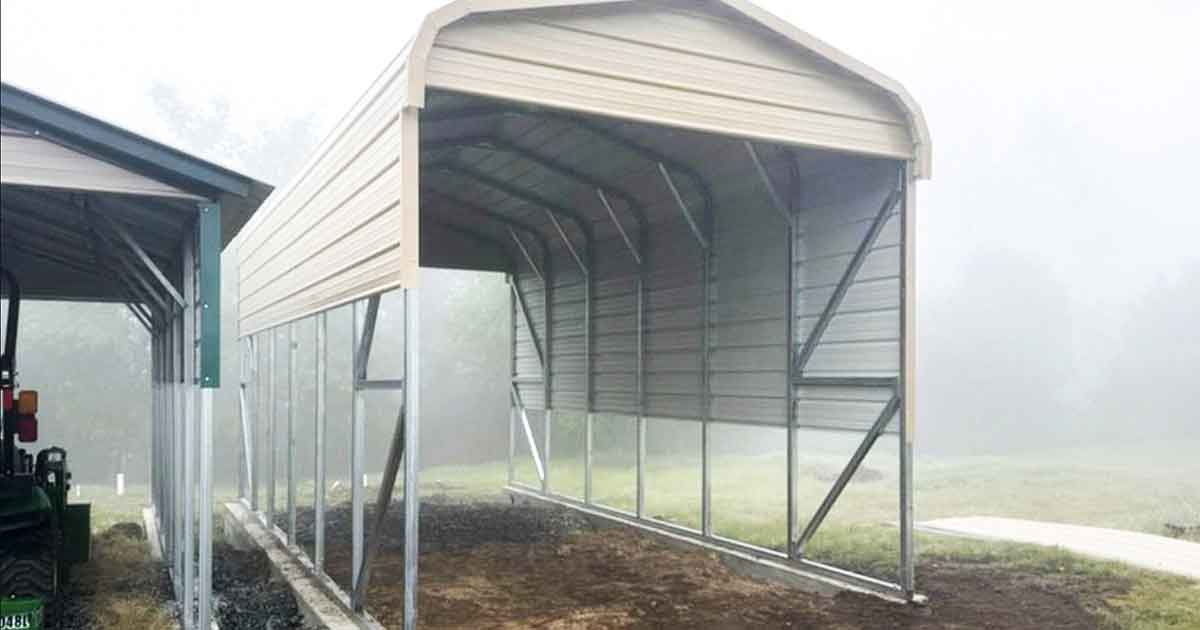
Metal carports can be planned around width, length, leg height, roof style, side coverage, color, surface type, and anchoring. That makes the structure feel more intentional and less like a temporary patch.
If you are storing an RV or tall vehicle, start with RV carports. If the structure needs better runoff for rain, leaves, or snow-prone areas, compare vertical roof systems.
Northern California Factors to Consider
Northern California properties can deal with intense sun, winter rain, foothill wind, mountain snow, rural exposure, and neighborhood appearance concerns. A carport that works for a calm backyard may not be enough for an exposed driveway, rural road, or foothill property.
Before choosing a structure, think through:
- Installation city or county
- Wind exposure
- Snow or elevation concerns
- Surface type: concrete, gravel, asphalt, or ground
- Drainage during heavy rain
- Visibility from neighbors or the street
- Local permit or HOA requirements
The carport permit guide, carport anchor guide, and foundation requirements resource can help you understand the planning questions before requesting a quote.
What to Compare Before You Buy
Before buying another fabric top or replacement cover, compare the full picture:
- How many covers have you replaced already?
- Does the shelter look clean from the street?
- Does wind make it noisy or unstable?
- Is the frame still straight?
- Is water pooling on top?
- Are neighbors, an HOA, or a landlord likely to complain?
- Is the vehicle or equipment worth protecting with a stronger structure?
- Would a steel roof and better anchoring make more sense over several years?
If the answers point toward long-term use, a metal carport is worth pricing before spending more money on another temporary cover.
Where This Should Lead on the Site
This guide should support the sales pages, not replace them. Use it as the buyer education article that sends people toward the right next step:
- General vehicle coverage: metal carports
- Lowest-cost steel roof option: standard carports
- Stronger runoff and debris shedding: vertical roof carports
- Taller recreational vehicles: RV carports
- Surface and anchoring planning: carport anchors and foundation requirements
- Local requirements: carport permits
The Better Long-Term Question
A canvas carport can be useful when the need is temporary. But if you are replacing fabric year after year, fighting wind, worrying about how it looks, or hearing complaints, it may be time to stop treating the problem like a short-term fix.
A steel carport costs more upfront, but it can give your property a cleaner appearance, stronger coverage, and a structure planned around your vehicle, surface, and local conditions.
Done replacing torn fabric covers? Send your vehicle size, ZIP code, surface type, and a few site photos when you request a custom quote. Norcal Carports can help you compare a cleaner, longer-term steel carport option for your property.
For related comparisons, read why expensive RVs should not sit under fabric covers and how metal carports compare against weaker alternatives.
Buyer Path
Compare Next
Use these existing pages to turn the article idea into product fit, planning details, and a quote path.
Product
RV Covers & Motorhome Carports
Compare the main RV cover product path for height, length, and side-clearance planning.
Guide
RV Storage Guide
Review RV sizing, clearance, roof pitch, and oversized vehicle planning.
Example
18 x 40 x 14 Vertical RV Carport
Use a tall vertical example for motorhome and fifth-wheel quote planning.
Quote
Request an RV Cover Quote
Send RV length, total height, AC units, slide-outs, surface type, and city.

Michael Ruiz
Founder & Steel Structures Expert Northern California
Michael Ruiz started Norcal Carports to help customers compare steel-building options, prepare accurate order details, and coordinate delivery and installation with the manufacturer.